 How-to
Does Insulation Affect HVAC System Performance?
Last Updated: November 12, 2026
Quick Summary
Yes, insulation affect HVAC performance directly: a well-insulated home holds conditioned air longer, so the system runs shorter cycles and uses less energy, while poor insulation lets air escape and forces equipment to work harder. At DC Plumbing Heating and Air Conditioning, we help South Orange County homeowners understand this connection and spot the signs of trouble.
- Better insulation lowers heating and cooling loads, so your system runs shorter cycles to hit the thermostat setpoint.
- Signs of poor insulation include drafty rooms, uneven temperatures, high utility bills, and cold floors.
- Compressed or settled attic insulation loses R-value, and gaps around hatches and recessed lights create thermal bridges.
- Uninsulated ducts in attics or crawl spaces lose conditioned air, so seal and insulate them together.
- Air sealing is often a cost-effective first step because it stops the largest leaks first.
Table of Contents
- How Insulation Affects HVAC System Performance
- Signs of Poor Home Insulation You Should Not Ignore
- Attic Insulation and HVAC Performance: The Overlooked Link
- HVAC Duct Insulation Benefits for Air Distribution and Comfort
- Insulation Problems That Cause High Energy Bills
- How to Tell Insulation Problems From HVAC Equipment or Duct Problems
- Air Sealing, Ventilation, and Indoor Air Quality After an Insulation Upgrade
- Schedule an Insulation and HVAC Assessment With DC Plumbing
- Frequently Asked Questions
How Insulation Affects HVAC System Performance
Yes, insulation directly affects HVAC system performance. A well-insulated home holds conditioned air longer, so the system runs shorter cycles and uses less energy. Poor insulation does the opposite: heated or cooled air escapes, and your equipment works harder to keep up. At DC Plumbing Heating and Air Conditioning, we help South Orange County homeowners understand this connection. Below, we'll show you exactly how insulation affect HVAC performance, how to spot trouble, and what to fix first.
Heat Transfer Through the Building Envelope
Heat transfer is the movement of heat through walls, ceilings, floors, windows, and doors. Your building envelope is the barrier between indoor and outdoor air. In summer, heat flows inward. In winter, it flows out.
Insulation slows that flow. Without it, your HVAC system fights a losing battle all day.
Three things drive heat transfer:
- Conduction: heat moving through solid materials like studs and drywall
- Convection: heat carried by air leaking through gaps
- Radiation: heat radiating through windows and roof decks
The U.S. Department of Energy guide to home insulation explains how each type works and where it matters most.
How Insulation Changes Heating and Cooling Runtime
Better insulation lowers your heating load and cooling load. That means your system runs shorter cycles, or "runtime," to hit the thermostat setpoint.
Short runtimes matter for three reasons:
- Less wear and tear on equipment
- Lower energy consumption
- Fewer temperature swings
When insulation is thin, the system cycles on and off constantly. This constant cycling strains the compressor and blower. Over time, it shortens equipment life.
Signs of Poor Home Insulation You Should Not Ignore
Common signs of poor home insulation include drafty rooms, uneven temperatures, high utility bills, and cold floors. If you notice several of these, insulation gaps are a likely culprit.
Watch for these red flags:
- Rooms that never reach the set temperature
- Hot ceilings in summer and cold floors in winter
- Drafts near outlets, windows, and doors
- Rising energy bills with no change in habits
- Condensation or moisture on walls and windows
A common mistake is blaming the HVAC unit for comfort problems that start with the thermal envelope. We see this often. Homeowners replace equipment when sealing and insulation would have solved the issue for less.
Attic Insulation and HVAC Performance: The Overlooked Link
Attic insulation and HVAC performance are tightly linked. Heat rises, so an under-insulated attic lets heat escape in winter and bake your home in summer. Attic insulation is often one of the more accessible places to improve a home's thermal envelope, because it sits directly above the ceiling plane that separates conditioned space from outdoor conditions.
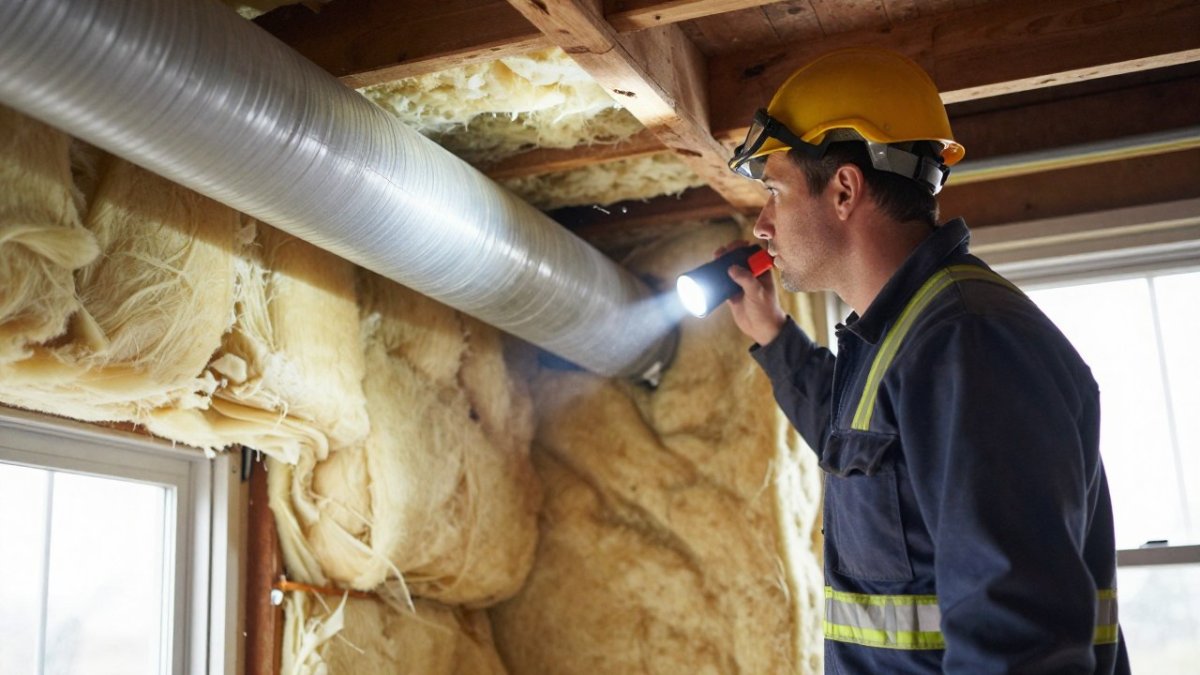
Two attic problems matter most:
- Compressed insulation: settled or crushed batts lose their R-value, the measure of resistance to heat flow. Blown-in fiberglass and cellulose settle over time, and batts crushed by storage or ductwork can lose a meaningful share of their rated resistance.
- Insulation gaps: bare spots around hatches, recessed lights, duct runs, and the top plates of walls create thermal bridges where heat moves freely.
R-Value Targets by Climate Zone and Location
R-value targets are not one-size-fits-all. The U.S. Department of Energy publishes recommended insulation levels by climate zone and by building location, and those recommendations are the most reliable starting point for comparing attic, wall, floor, and duct needs.
A practical way to use the map:
- Identify your climate zone from the DOE map.
- Compare the recommended attic R-value to what is actually installed. Measure settled depth in the attic and compare it to the depth-to-R-value chart for your material.
- Check walls and floors separately. Above-grade walls, basement walls, and floors over unconditioned spaces each carry their own target.
- Treat ducts in unconditioned spaces as a separate line item. Duct insulation R-values are specified separately from attic and wall targets.
Attic insulation is a sensible place to start because it is visible and easy to measure, but the wall and floor targets matter just as much for whole-home performance. A home with a well-insulated attic and uninsulated rim joists or cantilevered floors will still feel drafty.
Watch out: adding insulation without first air sealing the attic floor can trap moisture and reduce the benefit. Seal bypasses around lights, fans, and top plates before blowing in new material.
For deeper guidance on airflow in older homes, see Can You Improve HVAC Airflow in an Older Home?.
HVAC Duct Insulation Benefits for Air Distribution and Comfort
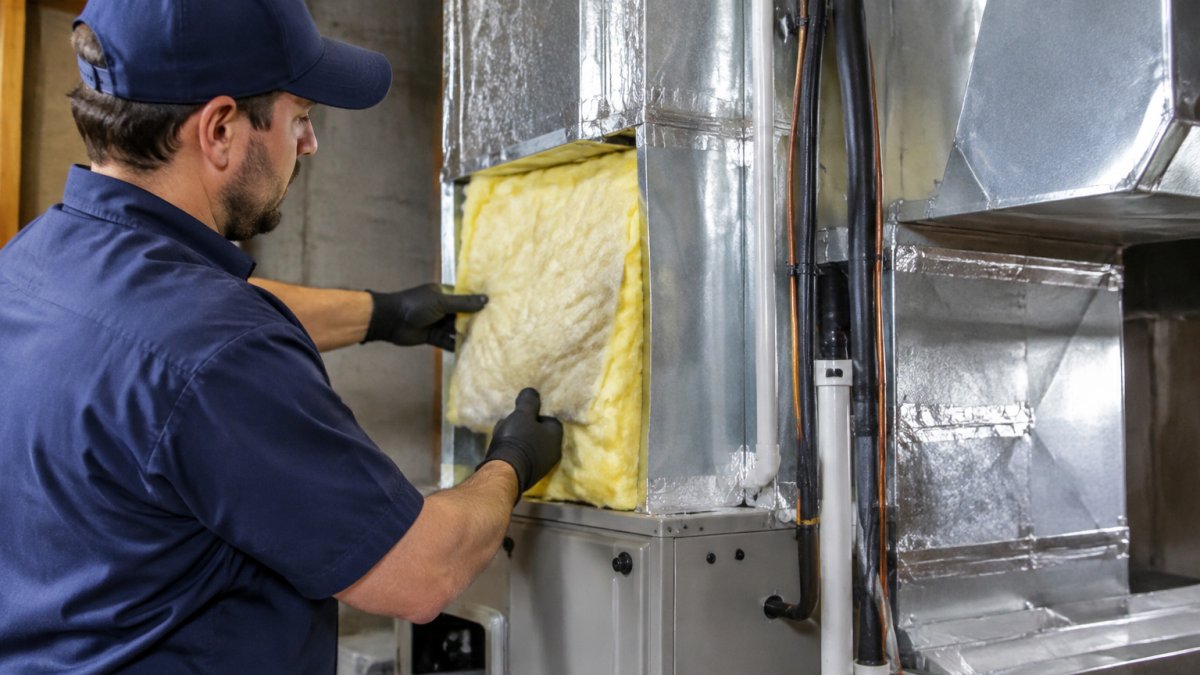
HVAC duct insulation benefits show up fast in homes with ducts running through attics or crawl spaces. Uninsulated ducts lose conditioned air before it reaches your rooms.
What duct insulation does:
- Reduces heat gain and heat loss along the run
- Improves air distribution and temperature consistency
- Cuts condensation and moisture problems
- Eases the workload on your equipment
Duct sealing matters just as much. Leaky joints pull in attic air and dust. Insulate and seal together for the best result.
Insulation Problems That Cause High Energy Bills
Insulation problems that cause high energy bills usually fall into a few buckets. Air leakage, missing attic coverage, and old or wet insulation top the list.
The biggest offenders:
- Air leakage around doors, windows, and penetrations
- Missing or thin attic insulation
- Wet insulation that no longer performs
- Unsealed ductwork in unconditioned spaces
Air sealing is often a cost-effective first step, because it stops the largest leaks first. Pair it with insulation for lasting energy savings.
How to Tell Insulation Problems From HVAC Equipment or Duct Problems
Not every comfort problem is an insulation problem. Homeowners often replace equipment when sealing and insulation would have solved the issue for less, and the reverse happens too: a failing compressor or a crushed duct gets blamed on the envelope. A short diagnostic sequence narrows the cause before you spend money on the wrong fix.
A Step-by-Step Diagnostic Sequence
- Check the thermostat and filter first. A clogged filter or a thermostat set to the wrong mode can mimic insulation problems. Replace the filter and confirm the setpoint and fan setting before going further.
- Map the symptoms room by room. Note which rooms are too hot or too cold, whether the problem is seasonal or year-round, and whether it changes with the weather. Insulation problems tend to track outdoor conditions; equipment problems often do not.
- Look at runtime and cycling. Short runtimes that still leave rooms uncomfortable point toward oversized equipment or airflow restrictions. Long runtimes that never reach setpoint point toward envelope losses or undersized equipment.
- Inspect the attic and the ducts. Measure settled insulation depth, look for gaps around hatches and recessed lights, and check whether ducts in unconditioned spaces are insulated and sealed.
- Do a simple air-leakage check. On a windy day, feel for drafts around outlets, windows, doors, and penetrations. A smoke pencil or a tissue held near suspected gaps makes leaks visible.
- Compare bills to comfort. If bills climbed with no comfort change, check equipment causes too. If comfort worsened alongside bills, the envelope is the more likely culprit.
Symptom-to-Cause Reference
| Symptom | Likely Insulation Issue | Likely HVAC or Duct Issue |
|---|---|---|
| Uneven temps room to room | Gaps, thin coverage | Poor airflow, blocked vents |
| High bills, no comfort gain | Air leakage, low R-value | Failing equipment, dirty coils |
| Short cycling | Rarely the cause | Oversized unit, sensor faults |
| Dusty air after sealing | Not related | Leaky ducts, filter issues |
| Cold floors in winter | Missing floor or rim-joist insulation | Supply registers aimed poorly |
When to Call a Professional
Call a licensed technician when the diagnostic sequence points to equipment faults, when you cannot safely access the attic or crawl space, or when symptoms persist after basic sealing and filter changes. A professional assessment can measure static pressure, check refrigerant charge, and verify insulation depth and duct leakage in one visit.
If bills climbed with no comfort change, check equipment causes too. 7 Signs Dirty Coils Are Driving Up Your Electric Bill walks through the HVAC side.
Air Sealing, Ventilation, and Indoor Air Quality After an Insulation Upgrade
Tightening a home changes how it breathes. After air sealing and an insulation upgrade, plan for ventilation and moisture control so indoor air quality stays healthy.
Keep these points in mind:
- A tighter home traps moisture without proper ventilation
- Bath and kitchen exhaust fans matter more after sealing
- Watch for condensation on windows and walls
- Have ducts and equipment checked after big envelope changes
For a related read, see How to Reduce Humidity With Central Air.
Schedule an Insulation and HVAC Assessment With DC Plumbing
Insulation and HVAC performance are one system, so assess them together. Our licensed technicians can check your envelope, ducts, and equipment during a service visit, so you can focus on the fix that actually addresses the problem.
What an assessment covers:
- Attic and wall insulation condition and R-value
- Air leakage and duct sealing needs
- Equipment condition, sizing, and airflow
We have served South Orange County with upfront pricing and warranty-backed work. To learn about the team behind the visit, see Licensed HVAC Technicians in South Orange County. For a quick related read on filters, see Air Filters and HVAC Efficiency: What a Clean Filter Really Saves.
Your comfort problem has a cause, and it is usually findable in one visit. DC Plumbing Heating and Air Conditioning brings nearly 38 years of local experience, upfront pricing with no surprise fees, and 24/7 emergency service when a system fails.
Frequently Asked Questions
Can poor insulation make an HVAC system run constantly?
Yes. When the building envelope loses heat in winter or gains it in summer, the HVAC system keeps running to hold the thermostat setpoint. That constant runtime raises energy consumption, adds wear and tear on the compressor and blower, and can shorten equipment life. If your system runs nonstop but the house never quite reaches the set temperature, insulation gaps, compressed attic insulation, or leaking ducts are common causes. A technician can test the envelope and ductwork before assuming the equipment itself is failing.
Should you insulate your HVAC ductwork?
Ducts that run through unconditioned spaces like attics, garages, or crawlspaces lose conditioned air before it reaches your rooms. HVAC duct insulation benefits include less heat gain in summer, less heat loss in winter, fewer hot and cold spots, and lower runtime. Sealing duct joints first and then insulating is the usual order, because gaps let air escape regardless of the wrap. Ask a licensed technician to check duct R-value, joint sealing, and whether any ducts are disconnected or crushed.
How can you tell whether an HVAC problem is caused by insulation?
Start with the pattern. If some rooms stay comfortable while others lag, or if the system runs long but the house never holds temperature, the envelope or ducts are likely suspects. If the equipment short-cycles, blows warm air in cooling mode, or makes unusual noises, the HVAC itself needs a service call. A blower door test, thermal imaging, and duct pressure testing separate the two. A licensed technician can run these checks so you do not replace equipment that was never the problem.
What are the signs that a home needs more insulation?
Common signs of poor home insulation include drafts near outlets, windows, and doors, rooms that are too hot in summer and too cold in winter, high utility bills compared with similar homes, condensation on interior surfaces, and an attic floor with insulation below the joists or compressed flat. A cold ceiling in winter or a hot ceiling in summer points to attic gaps. If several of these appear together, schedule an inspection before the next heating or cooling season.