 Listicle
Signs Your Furnace Needs Immediate Professional Repair
Last Updated: November 16, 2026
Quick Summary
Signs your furnace needs immediate professional repair include a gas smell, a carbon monoxide alarm going off, a persistent burning or electrical odor, and yellow or flickering burner flames. A gas smell or CO alarm means leaving the home and calling for help from outside, while the other signs call for shutting the system off and scheduling service right away.
- A gas smell is an emergency: leave the home and call the gas utility or 911 from outside.
- If the carbon monoxide alarm sounds, get everyone outside and call 911 or the fire department.
- A persistent burning or electrical smell means shutting the system off until a technician inspects it.
- A steady blue flame is healthy; yellow or flickering flames mean shutting the furnace off and calling for service.
- Banging, squealing, or grinding from the cabinet is a reason to turn the system off and schedule service.
Table of Contents
- Gas Smells, Carbon Monoxide Alarms, and Burning Odors: Act Now
- Signs Your Furnace Needs Immediate Professional Repair
- Other Warning Signs: Weak Airflow, Uneven Heat, Short Cycling, and Rising Bills
- What to Do While Waiting for Furnace Repair
- When to Call a Professional vs. DIY Checks
- Furnace Repair or Replacement: How to Decide
- Booking Your Furnace Repair Visit With DC Plumbing
- Frequently Asked Questions
Gas Smells, Carbon Monoxide Alarms, and Burning Odors: Act Now
Most furnace problems give you time to schedule a visit. A short list of symptoms does not. The difference between a repair you book for Thursday and an emergency you act on in the next sixty seconds comes down to three signals: the smell of gas, a carbon monoxide alarm, and a burning or electrical odor that does not fade.
Gas smell. Natural gas is given an added odorant so leaks are detectable, and that rotten-egg smell is the signal to act. Do not flip light switches, use a phone inside, or try to find the source yourself. Learn how to confirm and respond to a suspected gas leak. A gas leak is an emergency regardless of how faint the smell seems. Get immediate steps for emergency gas line repair.
Carbon monoxide alarm. Carbon monoxide is a colorless, odorless gas produced by fuel-burning appliances, including furnaces, which is why a working CO detector matters more than any sense of smell (the CDC). If the alarm sounds, get everyone outside, call 911 or the fire department from a safe location, and do not re-enter until responders clear the home.
Burning or electrical odor. A burning dust smell at the first heat of the season is common and usually fades within a few minutes. A persistent burning, electrical, or plastic smell is different. Shut the system off at the thermostat and at the furnace switch, then have a licensed technician inspect it before you run it again.
Yellow or flickering burner flames. A healthy natural gas flame is steady and blue. A yellow, orange, or flickering flame can indicate incomplete combustion, which produces carbon monoxide. Shut the furnace off and call for service rather than continuing to run it.
What not to do. Do not open the furnace cabinet beyond the filter door, do not attempt to clean or adjust burners, and do not repeatedly reset a unit that keeps shutting off. Those steps risk fire, carbon monoxide exposure, or injury, and they can obscure the diagnostic clues a technician needs.
A furnace that is merely noisy or weak can wait a day for a technician. A possible gas leak or carbon monoxide exposure cannot. Treat the first three signals in this section as emergencies, the flame-color and repeated-shutdown signs as prompt-service items, and comfort complaints as scheduling items. That ranking is the difference between a repair and a hospital visit.
Signs Your Furnace Needs Immediate Professional Repair
Most furnace failures give warning signs before they turn into emergencies. Knowing the signs your furnace needs immediate professional repair, and which symptoms can wait, helps you act at the right speed. The list below covers the signs we see most often.
- A gas smell near the furnace or anywhere in the home. Treat this as an emergency and leave first.
- A carbon monoxide alarm going off. Get everyone outside and call for help.
- A burning or electrical smell that persists after startup.
- Banging, squealing, or grinding from the cabinet.
- No heat, or heat that stops after a few minutes.
- Yellow or flickering burner flames, instead of steady blue ones.
- The system shutting off and restarting repeatedly.
Any of these signs means you should stop running the system and schedule service. The first three are urgent. The rest are serious enough that a delayed repair often costs more later.
Furnace Making Strange Noises: Banging, Squealing, and Rattling
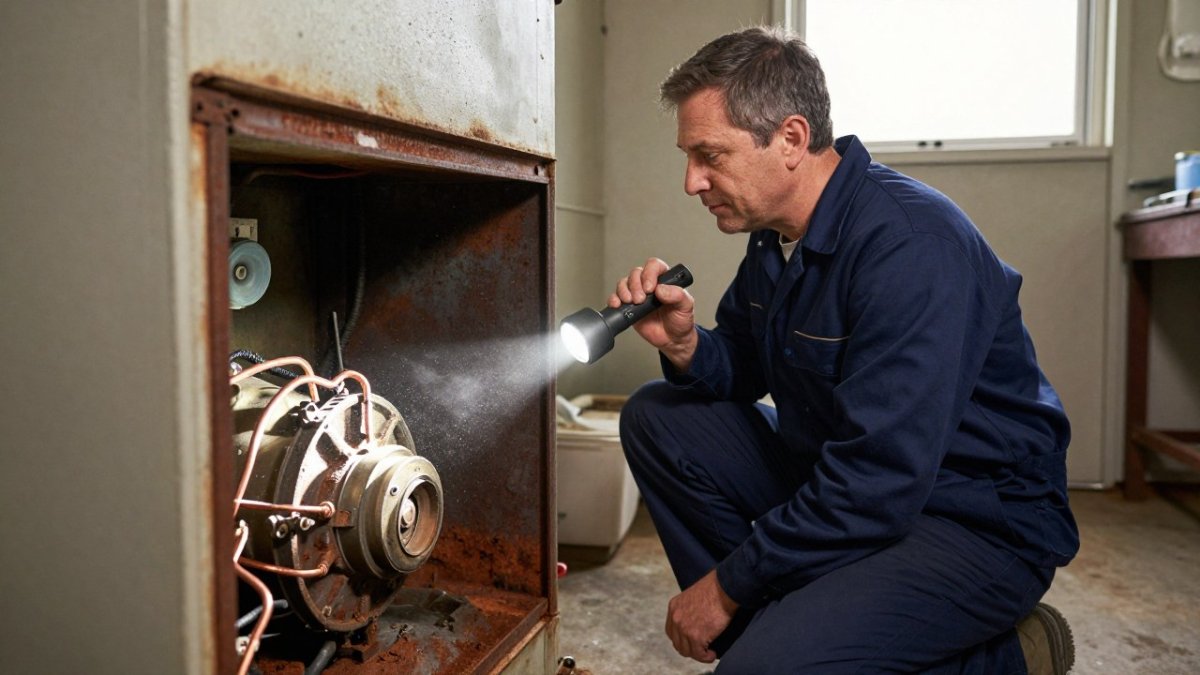
Noise is often the first clue that a furnace component is failing. Banging can point to delayed ignition, where gas builds up before it lights, or to a loose panel. Squealing often means a worn blower belt or failing motor bearings. Rattling usually comes from loose screws, a cracked blower wheel, or debris in the blower housing.
Turn the system off and do not keep operating a furnace that is making a new, loud noise. A technician can identify the exact cause in a single visit, and catching a worn bearing early is far cheaper than replacing a seized blower motor.
Furnace Blowing Cold Air or Failing to Heat
A furnace that blows cold air, or stops heating after running briefly, is a common service call. Causes range from a dirty flame sensor and a clogged air filter to a failed ignitor or a tripped safety switch. Many homeowners first check the thermostat settings and the filter, which is reasonable. Troubleshoot a smart thermostat that won't turn on the heat. If the heat still does not come on, call a professional rather than repeatedly restarting the unit.
The table below summarises the warning signs covered above, ranked by how quickly you should act.
| Warning sign | Urgency | What to do |
|---|---|---|
| Gas smell near the furnace or in the home | Emergency | Leave first, then call from outside |
| Carbon monoxide alarm going off | Emergency | Get everyone outside and call for help |
| Burning or electrical smell that persists after startup | Urgent | Stop running the system and schedule service |
| Banging, squealing, or grinding from the cabinet | Serious | Turn the system off and schedule service |
| No heat, or heat that stops after a few minutes | Serious | Check thermostat and filter, then call a professional |
| Yellow or flickering burner flames | Prompt | Shut the furnace off and call for service |
| Repeated shutting off and restarting | Prompt | Stop repeated restarts and schedule service |
Other Warning Signs: Weak Airflow, Uneven Heat, Short Cycling, and Rising Bills
Some furnace problems develop slowly and show up as comfort or cost issues rather than sudden failures. Weak airflow often traces back to a clogged filter, a closed or blocked register, or a failing blower. Uneven temperatures between rooms can signal duct leaks or an undersized system. Short cycling, where the furnace turns on and off in quick bursts, frequently points to overheating, a dirty flame sensor, or an airflow restriction.
Rising energy bills with no change in household habits are worth investigating. A furnace that works harder to deliver the same warmth is losing efficiency, and that loss is easy to miss until the bills arrive.
What to Do While Waiting for Furnace Repair
Once you have called for service, a few simple steps can keep your home safer and comfortable until the technician arrives. Keep the thermostat off or set low, and avoid running the furnace if you notice a smell or unusual noise. Check that your carbon monoxide and smoke alarms have working batteries. Clear the area around the furnace of boxes, paint, and other flammable materials.
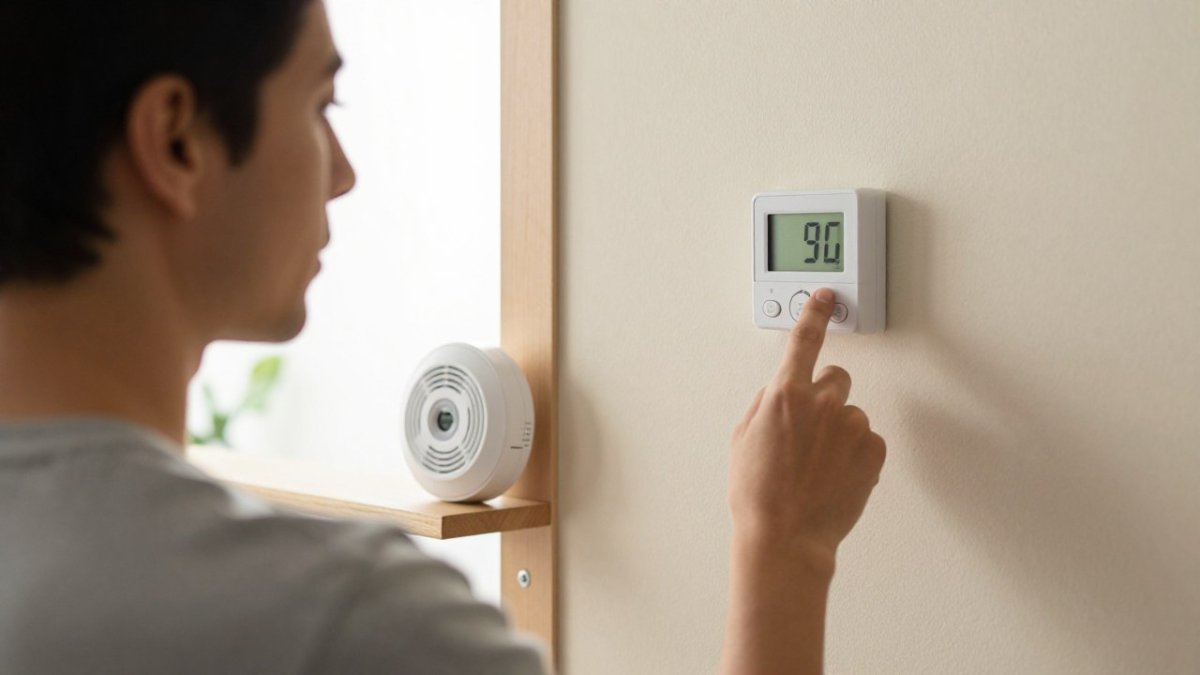
A smart thermostat can help you manage heating in the meantime by scheduling temperatures and flagging unusual run times. Compare the best smart thermostats for home heating. It will not fix a failing furnace, but it can prevent accidental overuse while you wait.
When to Call a Professional vs. DIY Checks
Some checks are safe for a homeowner. Replacing a dirty air filter, confirming the thermostat is set to heat, making sure supply and return vents are open, and clearing debris from around the outdoor unit are all reasonable first steps.
Call a licensed professional for anything involving the gas valve, burners, heat exchanger, flue, electrical components, or the blower motor. Those parts can cause fires, carbon monoxide exposure, or serious injury when handled incorrectly. A useful rule: if a fix requires opening the furnace cabinet beyond the filter door, it belongs to a technician.
Furnace Repair or Replacement: How to Decide
Repair-versus-replace is the decision homeowners most often get wrong in both directions: replacing a unit with years left in it, or pouring money into one that is already failing. A simple framework helps.
Start with age. If your furnace is past that window and needs a repair beyond a minor part, replacement deserves serious weight. If it is under 10 years old and the failure is isolated, repair usually wins.
Then look at repair frequency. One repair in a decade is normal wear. Two or more repairs in two years, or a pattern of the same part failing, points to a system that is wearing out rather than a single bad component.
Compare repair cost to replacement cost. Ask your technician for the repair cost and a replacement estimate in the same visit so the comparison is concrete rather than abstract.
Weigh efficiency. Rising energy bills with no change in habits are a clue that efficiency has slipped. A replacement decision based on efficiency alone rarely pays back quickly, but combined with age and repair frequency it can tip the balance.
Check for a cracked heat exchanger. A cracked heat exchanger is a safety issue, not just a repair decision. It can allow combustion gases into the supply air, and replacement is generally the right call rather than repeated repairs.
Ask about the rest of the system. The furnace is one part of a system that includes the ductwork, thermostat, and blower.
Get the diagnosis in writing. Ask your technician to explain the failed part, the repair cost, the expected remaining life of the unit, and a replacement estimate before you decide.
Watch out: a repair quote that is far below every other estimate often means a partial fix that will not address the underlying cause, and a replacement quote that ignores ductwork and thermostat condition can leave you with a new furnace that still heats unevenly.
Booking Your Furnace Repair Visit With DC Plumbing
DC Plumbing Heating and Air Conditioning offers 24/7 emergency service for San Clemente and South Orange County, with licensed and certified technicians, upfront pricing, and warranties on parts and installation. If you suspect a gas leak, leave the home and call the gas utility or 911 first, then call us from a safe location.
Call today and get a technician to your home quickly. Our team can diagnose the problem, explain the repair options in plain terms, and restore your heat with upfront pricing and no surprise fees.
Frequently Asked Questions
What does it mean if a furnace is making loud or unusual noises?
Loud or unusual furnace noises usually point to a mechanical problem. Banging can come from a delayed ignition or a loose component, squealing often means a worn blower motor belt or bearings, and rattling can indicate loose panels or debris in the blower. Because some of these causes can lead to bigger failures, shut the system off if the noise is loud or getting worse, then schedule a professional inspection rather than waiting for the system to fail completely.
When should I turn off my furnace and call a professional?
Turn the furnace off and call a professional right away if you smell gas, see a burning or electrical odor, hear a carbon monoxide alarm, or notice the furnace producing soot or a yellow flame. Also shut it down if it is making loud banging, grinding, or squealing. Do not keep running a unit that shows these symptoms, since continued operation can worsen damage or create a safety hazard.
How do I know whether my furnace needs to be repaired or replaced?
Repair is usually the better choice when the system is relatively young, the problem is isolated to one part such as a blower motor or igniter, and repair costs stay well below the price of a new unit. Replacement becomes more worth considering when the furnace is older, needs frequent repairs, or the heat exchanger is cracked. A licensed technician can inspect the unit and give you a clear recommendation based on age, condition, and repair cost.
What is the most common furnace failure?
Common furnace failures include a faulty ignition system, a worn blower motor, a clogged air filter that restricts airflow, and a tripped safety switch. Clogged filters are the easiest to prevent by replacing them regularly, while ignition and blower problems typically require a licensed technician to diagnose and repair.