 How-to
Signs of a Gas Leak in Home: How to Detect
Table of Contents
- How to Detect a Gas Leak in a House
- What to Do if You Smell Gas
- Gas Leak Health Effects and Physical Symptoms
- Natural Gas Versus Carbon Monoxide
- When It's Safe to Return Home
- Prevention and Early Detection
- Frequently Asked Questions
Last Updated: October 12, 2026
How to Detect a Gas Leak in a House
A gas leak is one of the most dangerous situations a homeowner can face. Natural gas is colorless and odorless, so utility companies add mercaptan to make leaks detectable. Knowing the signs of a gas leak in home settings can mean the difference between a quick repair and a serious emergency.
Most gas leaks announce themselves through obvious warning signs, recognize them quickly and respond without delay.
The Rotten-Egg or Sulfur Smell
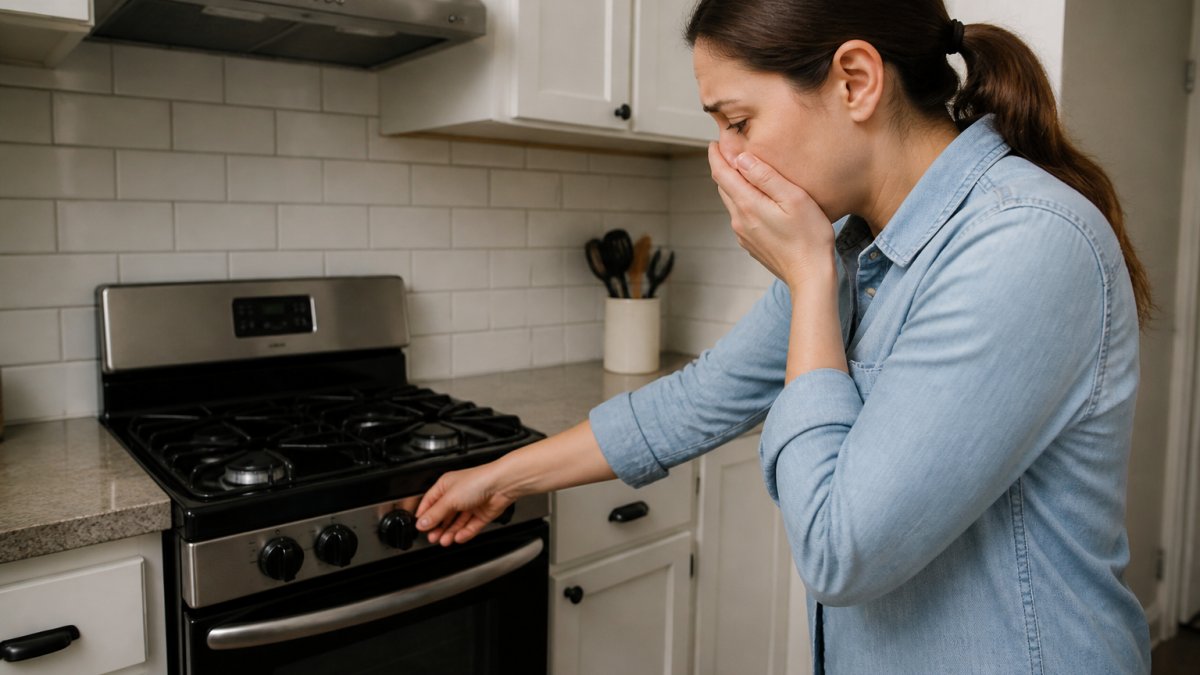
The most recognizable sign of a gas leak is a strong rotten-egg or sulfur-like odor, caused by the odorant added to natural gas.
The odor is intentionally pungent, designed to alert you immediately, some describe it as similar to a skunk's spray or rotten vegetables. Trust your nose; gas companies add this odorant specifically so you won't miss it.
Not every smell is a gas leak, a broken sewer line, spoiled food, or dead animals can produce similar odors.
Hissing, Whistling, or Blowing Sounds
Gas escaping under pressure creates distinctive sounds. A hissing, whistling, or blowing noise near gas appliances or connections is a red flag, gas forcing its way through a crack or hole in a line.
These sounds are often easier to hear than to locate. Walk slowly around your furnace, water heater, stove, and other gas appliances; a steady hissing that stops when you move away from a spot points to that location. The sound may be faint, audible only when the house is quiet, especially at night.
Visual Signs Around Gas Lines and Appliances
Not all gas leaks announce themselves with smell or sound. Some show up as visual clues around your gas system.
Watch for these visual warning signs:
- Blowing dirt or dust around a gas line connection or near where gas lines enter your home
- Bubbles in water if you apply soapy water to a suspected connection (bubbles mean gas is escaping)
- Dead or discolored vegetation in a line from your gas meter to your home, or near an outdoor gas connection
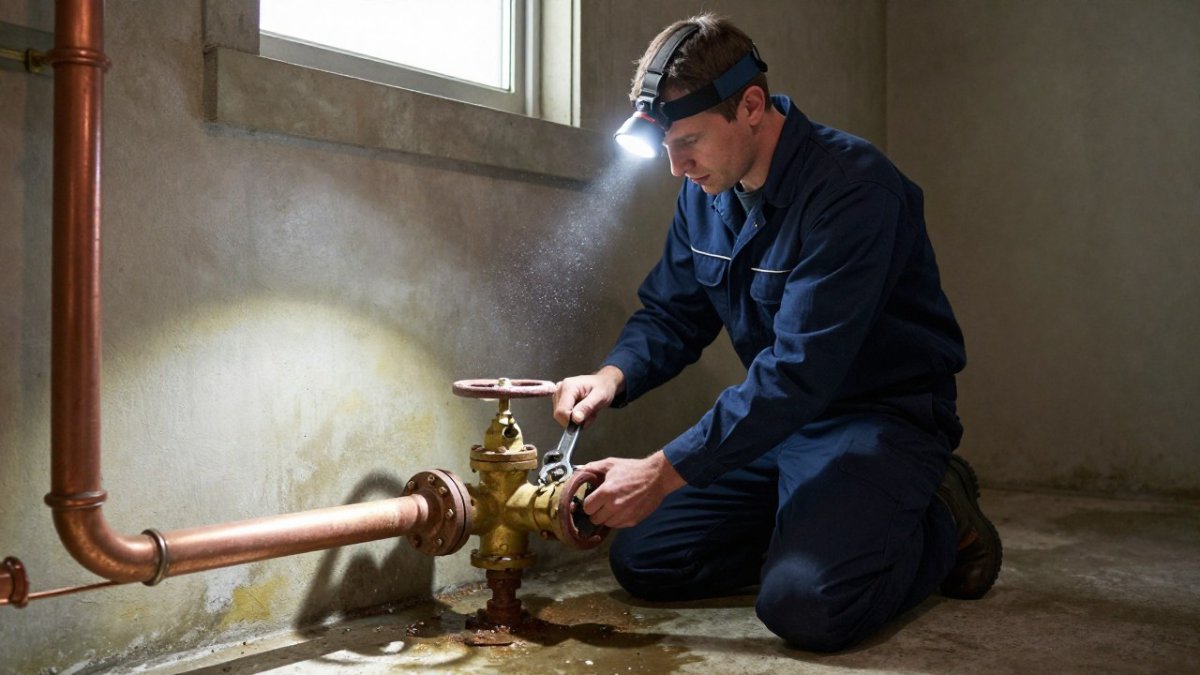
- Cracks or damage to gas pipes or connections visible in your basement, crawl space, or utility room
- Rust or corrosion on gas pipes, which weakens them over time
- A white or yellow cloud of gas visible near a gas line (rare, but a serious sign)
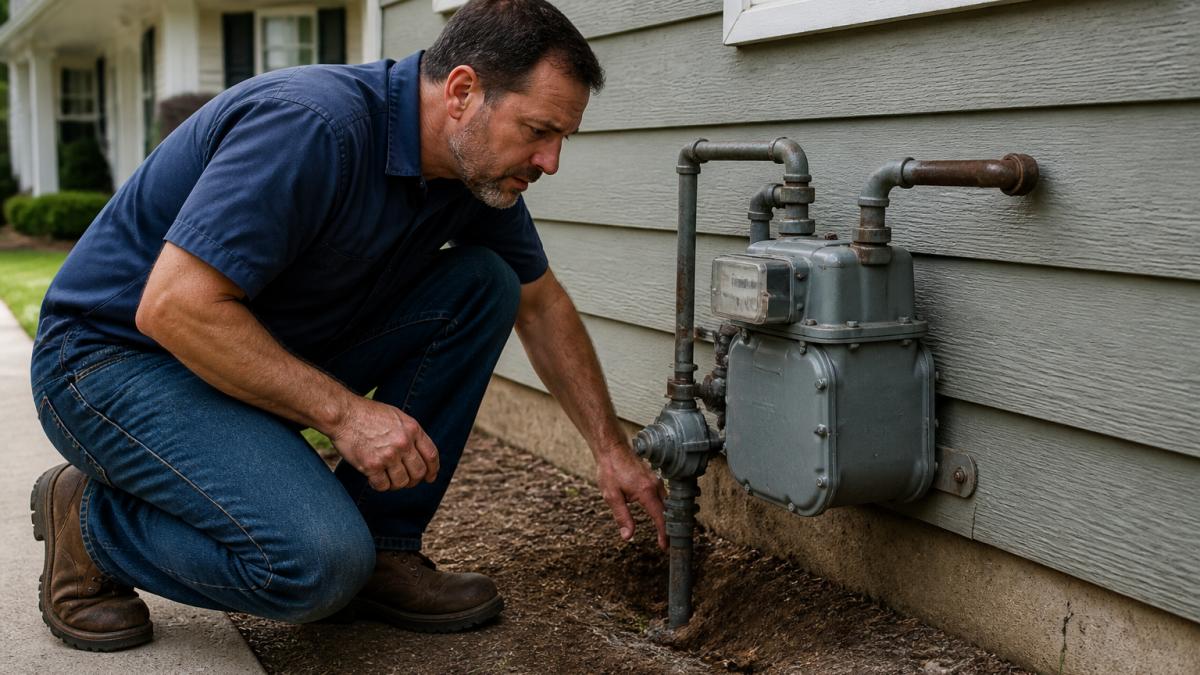
The soapy water test is simple and effective. Mix dish soap with water in a spray bottle and spray it around gas connections, the base of your meter, and visible gas pipes.
What to Do if You Smell Gas
If you suspect a gas leak, your actions in the next few minutes matter enormously. Get yourself and others to safety, then alert the authorities.
Immediate Actions to Take
The moment you suspect a gas leak, follow this priority order:
-
Leave the area immediately. Do not wait to confirm the leak or investigate further.
-
Move to a safe distance. Get at least 100 feet away and move upwind if you can. Gather family members and pets as you go, but don't delay your exit.
-
Use a phone from a safe location. Once outside, call 911 or your local gas utility's emergency line (many print a dedicated number on your bill). Use a neighbor's phone, a cell phone from outside, or a public phone.
-
Tell the dispatcher what you noticed. Report the smell, sound, or visual signs, your address, and where you detected the problem, without going back inside.
-
Stay outside and away. Don't re-enter until a technician confirms it's safe. Don't go back for belongings or pets. The gas company will give the all-clear.
-
Keep others away. Alert neighbors if the leak might affect their homes, and tell them to stay clear until the problem is resolved.
What Not to Do During a Gas Leak
Some actions can make a gas leak much worse. Avoid these mistakes:
-
Do not use electrical switches, lights, or appliances. Turning lights on or off, using your phone indoors, or operating any electrical device can create a spark that ignites the gas, including doorbells, garage door openers, and thermostats.
-
Do not light matches, lighters, or candles. An open flame is the most obvious ignition source.
-
Do not smoke. A lit cigarette is an open flame and a serious hazard.
-
Do not start your car in the garage. Engine ignition can trigger an explosion. Leave it there.
-
Do not try to repair the leak yourself. Only licensed technicians should handle gas lines.
-
Do not close windows or doors to "contain" the gas. You want gas to escape, not concentrate. Leave doors and windows open as you exit.
-
Do not go back inside to investigate or turn off appliances. Let the gas company handle it.
The hardest part is accepting that you need to leave and stay away. Every second spent investigating is a second exposed to a dangerous gas. The gas company will investigate professionally, your job is to get to safety.
Gas Leak Health Effects and Physical Symptoms
Exposure to natural gas can produce physical symptoms. Understanding these signs helps you recognize a serious problem and seek medical help.
Short-Term Exposure Symptoms
Short-term exposure to natural gas at high concentrations can cause several effects:
- Headache and dizziness are often the first signs of exposure
- Lightheadedness or fainting can occur with stronger concentrations
- Fatigue and drowsiness that seem unusual or sudden
- Nausea or stomach pain in some cases
- Breathing difficulties or shortness of breath
- Eye, nose, or throat irritation from the odorant or the gas itself
- Chest pain or tightness in severe cases
- Mood changes or unusual irritability
- Nosebleeds in rare cases of significant exposure
Symptoms can develop quickly or slowly depending on concentration and exposure time. If you notice any of these symptoms and also smell gas, leave immediately, don't assume they're from something else.
When to Seek Medical Attention
If you've been exposed to a gas leak and experience any symptoms above, call your doctor or poison control after reaching safety. Poison control is available 24/7 at 1-800-222-1222 (Contact us).
Seek emergency medical care (call 911) if you experience:
- Severe chest pain or pressure
- Difficulty breathing that doesn't improve after fresh air
- Loss of consciousness
- Severe confusion or inability to think clearly
- Symptoms that worsen after leaving the area
Most people recover completely in fresh air, since the body clears natural gas relatively quickly. But if symptoms persist or worsen, seek medical evaluation.
Natural Gas Versus Carbon Monoxide
Many homeowners confuse natural gas leaks with carbon monoxide (CO) problems. They're different hazards requiring different responses.
Natural gas is the fuel delivered through gas lines to power your furnace, water heater, stove, and other appliances.
Carbon monoxide is a colorless, odorless gas produced when fuel burns incompletely, from a malfunctioning furnace, water heater, or other combustion appliance, not a gas line leak.
The key difference: you can smell a natural gas leak, but not carbon monoxide.
When It's Safe to Return Home
After the gas company or fire department responds, they will inspect your home and gas system. A technician will locate the leak, assess the damage, and determine whether it's safe to return.
Do not re-enter until a professional gives the all-clear. Even if the smell has faded or you feel fine, gas could still be leaking and the hazard could remain.
The gas company will typically:
- Use specialized equipment to detect gas in and around your home
- Identify the source of the leak
- Shut off gas at the meter if necessary
- Repair the leak or recommend that you hire a licensed technician
- Test the repair to confirm the leak is sealed
- Give you written confirmation that it's safe to use your gas system again
Once they've cleared your home, you can re-enter. If the leak was in an appliance (like your furnace or water heater), that appliance may need repair before you can use it again.
Prevention and Early Detection
The best way to handle a gas leak is to prevent one. Regular maintenance and early detection catch problems before they become emergencies.
Gas Leak Detectors and Testing
A gas leak detector is a small device that alerts you to natural gas in your home.
Available at hardware stores and online, they range from simple plug-in models to advanced units. Look for detectors that:
- Alert you with sound and light when gas is detected
- Are easy to test and maintain
- Have clear instructions
- Are UL-listed (tested for safety)
Keep detectors near gas appliances: your furnace, water heater, stove, and gas-powered dryer.
A professional gas line inspection is more thorough than a detector. A technician uses specialized equipment to check gas lines, connections, and appliances. If you're concerned about your gas system or haven't had it inspected in years, it's worth the investment.
Routine Maintenance and Inspections
Regular maintenance prevents most gas leaks. Have your gas appliances serviced annually:
- Furnace: Professional inspection and cleaning each fall before heating season
- Water heater: Annual flush and inspection to prevent corrosion
- Gas stove or range: Check connections and seals regularly
- Gas dryer: Inspect the connection and vent line
Technicians look for corrosion, loose connections, and wear, catching small problems before they become leaks.
You can also do visual inspections yourself:
- Look at visible gas pipes and connections for rust, cracks, or damage
- Check that connections are tight (but don't tighten them yourself, call a professional)
- Make sure nothing blocks gas vents or exhaust pipes
- Keep the area around your gas meter clear of debris
If you notice damage or corrosion, call a professional immediately. Routine maintenance and inspections can keep your gas system safe and reliable.
Detecting the early signs of a gas leak in home environments is a skill every homeowner should have.
If you've experienced a gas leak or want to ensure your gas system is safe, DC Plumbing Heating and Air Conditioning is here to help.
Frequently Asked Questions
What does a natural gas leak smell like?
Natural gas itself is colorless and odorless, but utility companies add a chemical odorant called mercaptan to make leaks detectable. This creates a distinctive rotten-egg or sulfur-like smell. If you notice this odor near gas appliances, gas lines, or connections in your home, it's a strong indicator of a potential leak and requires immediate attention.
How do I know if I have a gas leak in my house?
Signs of a gas leak include a rotten-egg or sulfur smell, hissing or whistling sounds near gas lines or appliances, blowing dirt or dead vegetation outdoors near gas connections, and physical symptoms like dizziness, headache, or nausea. You may also notice bubbles in water or discolored vegetation. Trust your senses, if you suspect a leak, evacuate immediately and call emergency services.
What should I do if I suspect a gas leak at home?
Leave your home immediately and move to a safe location away from the building. Do not use electrical switches, lighters, or open flames. From a safe distance, call 911 or your gas utility's emergency number. Do not re-enter the home or attempt to locate the leak yourself. Wait for emergency responders or your gas utility to inspect and clear the home before returning.
Can you stay in a house with a gas leak?
No. If you suspect a gas leak, you must evacuate immediately. Prolonged exposure to natural gas can cause serious health effects including headaches, dizziness, nausea, and in severe cases, loss of consciousness. Even a small leak can accumulate to dangerous levels indoors. Remain outside in fresh air until emergency services confirm the home is safe.