 how-to
Emergency Gas Line Repair: What to Do Now
Table of Contents
- Gas Leak Emergency Steps: Immediate Actions to Take
- Signs of a Gas Leak or Damaged Gas Line
- When to Call a Licensed Professional for Emergency Gas Line Repair
- 24 Hour Gas Line Repair: How Emergency Response Works
- Gas Line Inspection and Leak Detection
- Gas Line Repair Cost: What to Expect
- Repair Versus Replacement: Making the Right Decision
- Frequently Asked Questions
Last Updated: October 8, 2026
Gas Leak Emergency Steps: Immediate Actions to Take
A suspected gas leak demands immediate action. Your safety and your family's safety depend on moving fast and moving smart. The steps are always the same: evacuate, don't ignite, and call for help.
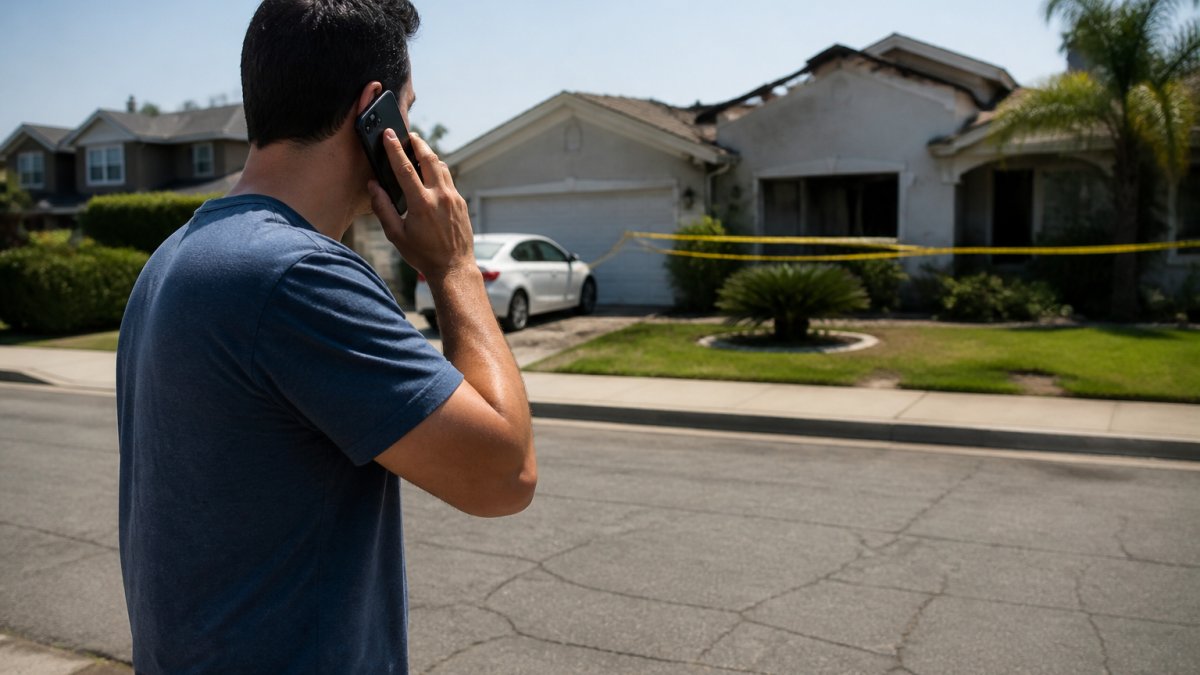
If you smell rotten eggs or a strong chemical odor near your gas appliances or gas line, trust your nose. Natural gas is odorless, so utility companies add that distinctive smell specifically so you'll notice leaks. Here's what to do right now:
Step 1: Leave immediately. Don't linger to investigate. Don't try to locate the source. Get everyone out of the house, including pets. Leave doors and windows open as you exit, but don't stop to open them all, your priority is distance.
Step 2: Don't create sparks or flames. This is critical. Don't flip light switches, use your phone indoors, start your car in the garage, or light a match. Any spark can ignite escaping gas. Once outside, use your phone to call for help.
Step 3: Call 911 and your gas company. Report the suspected gas leak. Don't assume it's minor or that you can wait. Emergency responders will isolate the gas supply and check for danger. Your gas company has emergency lines available 24/7.
Step 4: Stay outside. Remain at least 300 feet away from your home until emergency services give you the all-clear. Don't re-enter to grab belongings, check on appliances, or "just take a quick look." Gas accumulates in enclosed spaces and can ignite unexpectedly.
The difference between a handled emergency and a tragedy is often just following these four steps. Speed and distance protect you far better than trying to diagnose the problem yourself.
Signs of a Gas Leak or Damaged Gas Line
Not every gas leak announces itself with smell. Some are slow. Some are hidden inside walls or underground. Knowing the warning signs means you catch problems before they become emergencies.
Obvious signs:
- Rotten egg or sulfur smell near gas appliances, your meter, or outdoor gas line
- Hissing sound coming from pipes or connections
- Visible damage to gas pipes or connections (dents, corrosion, cracks)
Subtle but serious signs:
- Dead patches in your yard or garden (gas escaping underground kills vegetation)
- Bubbles in standing water near your gas line
- Unusually high gas bills without increased usage
- Pilot lights that won't stay lit or keep going out
- Appliances that smell like gas but the smell disappears when you turn them off
- Soot or discoloration around gas appliances
Physical symptoms in your home:
- Dizziness, headaches, or nausea that appears only when you're home
- Difficulty breathing or chest tightness near gas appliances
- Pets acting anxious or avoiding certain rooms
Many homeowners dismiss subtle signs as normal. They're not. A slow leak is still a leak. A corroded pipe will eventually fail. The cost of a professional gas line inspection is far less than the cost of emergency repair, or worse.
When to Call a Licensed Professional for Emergency Gas Line Repair
You should call a licensed professional immediately if you suspect a gas leak. Not tomorrow. Not after you've tried to figure it out. Now.
But beyond the obvious emergency, there are other situations where professional help is non-negotiable. If you notice any of these, pick up the phone:
Call for emergency gas line repair if:
- You smell gas and can't locate the source
- You see visible damage to gas pipes or connections
- Your gas appliances smell like gas during normal operation
- You've had a gas leak before and it's happening again
- You hear hissing from your gas line or connections
- Your home has settling cracks near gas lines (cracks can damage pipes)
- You're planning to do any digging, construction, or landscaping near your gas line
Call for non-emergency repair if:
- Your gas line hasn't been inspected in over a year
- You're upgrading appliances and need the line rerouted
- You're installing new gas appliances and need a new connection
- You want a professional pressure test to rule out slow leaks
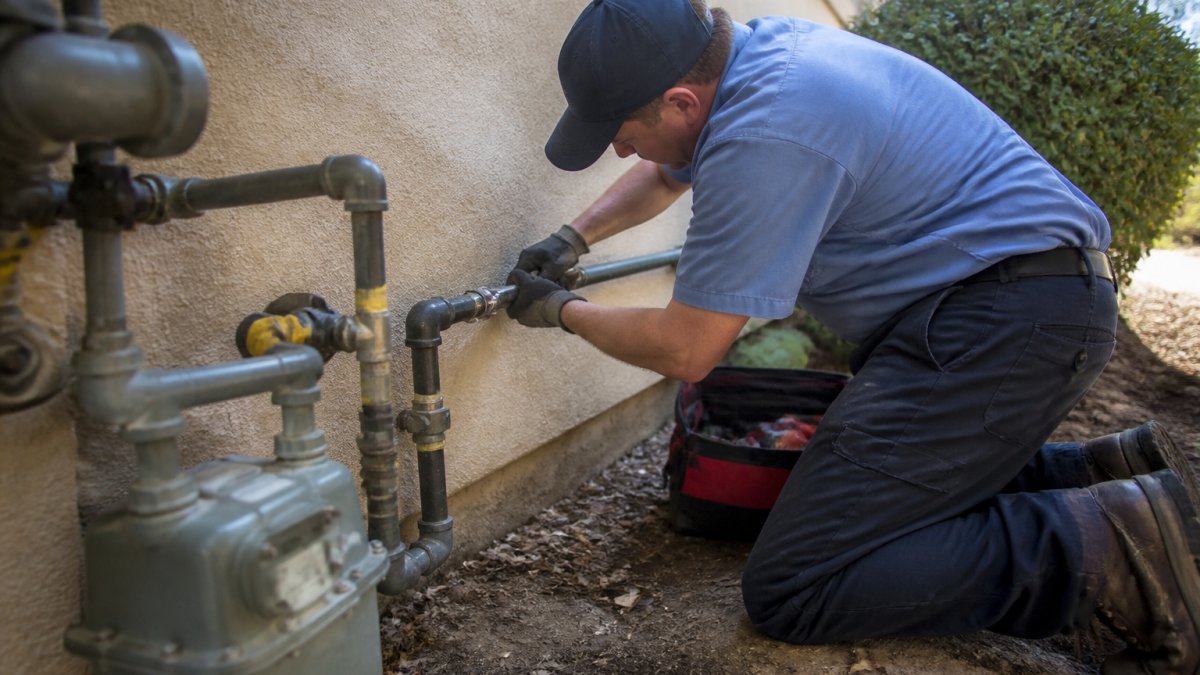
A licensed technician brings specialized equipment for gas leak detection and the authority to work on gas systems safely. They can also coordinate with your utility company if the problem originates from their side of the meter. Attempting repairs yourself isn't just risky, it's illegal in most jurisdictions. Gas line work requires licensing for a reason.
24 Hour Gas Line Repair: How Emergency Response Works
When you call for emergency gas line repair services, you're starting a process designed to get a licensed technician to your home as quickly as possible. Understanding what happens next reduces anxiety and helps you prepare.
The dispatch phase (first 5-15 minutes): The emergency service takes your call and gathers information: your address, the symptoms you're experiencing, whether anyone is experiencing physical symptoms, and whether you've already evacuated. They dispatch a licensed technician and alert your gas utility company.
The arrival phase (30 minutes to 2 hours, depending on location): A licensed technician arrives with detection equipment. They'll ask you to stay outside and away from the home. They use specialized tools to pinpoint the leak location and determine its severity.
The diagnosis phase (15-30 minutes): Once the leak is located and isolated, the technician inspects the damaged section. They're determining whether the problem is a loose connection, a corroded pipe, a crack, or a failed seal. This diagnosis determines whether the fix is a simple tightening or a full replacement.
The repair or isolation phase (30 minutes to several hours): If the repair is straightforward, tightening a connection or replacing a fitting, the technician completes it on-site.
The clearance phase (final 10 minutes): The technician documents the work, provides you with a written report, and explains what was wrong and what was fixed. Your gas utility may also perform their own inspection before restoring service to your home.
Emergency response times vary. DC Plumbing Heating and Air Conditioning maintains 24/7 availability because gas emergencies don't wait for business hours.
Gas Line Inspection and Leak Detection
Routine gas line inspection and leak detection are preventive measures that catch problems before they become emergencies. A professional inspection identifies corrosion, loose connections, and hidden leaks that you can't see or smell.
What a professional inspection includes:
A licensed technician visually examines all accessible gas pipes and connections, looking for corrosion, cracks, dents, or damage. They use a specialized electronic leak detector to test for gas escaping from pipes, connections, and appliances. For underground gas lines, they may use ground-penetrating radar or perform a soap bubble test to detect leaks at the surface.
Pressure testing is standard. The technician isolates your gas line and measures the pressure over time. If pressure drops, there's a leak somewhere in the system. This method catches slow leaks that wouldn't produce a noticeable smell.
When to schedule an inspection:
- Every 1-2 years as routine maintenance
- Before and after any gas appliance installation
- If you've had previous gas line issues
- Before selling your home (buyers often require this)
- After any home damage (settling, foundation cracks, water damage)
- If you notice any of the subtle signs mentioned earlier
Inspection costs vary based on your home's size and the complexity of your gas system. The investment is small compared to the cost of emergency repair or the risk of a gas-related incident.
Gas Line Repair Cost: What to Expect
Gas line repair costs depend on what's wrong, where the problem is, and whether replacement is necessary. Understanding the factors that affect cost helps you prepare and avoid surprise bills.
Factors that affect repair cost:
The location of the leak or damage matters significantly. A leak in an accessible, above-ground connection costs far less to repair than a leak in an underground gas line or inside a wall. Accessibility determines labor time and whether special equipment is needed.
The extent of damage determines the repair approach. A loose connection might take 30 minutes and cost less. A corroded section of pipe that needs replacement takes longer and costs more. A gas line running under your home or yard may require excavation, which adds substantial cost.
Whether permits are required affects the total bill. Most jurisdictions require permits for gas line work. Permits involve inspection and fees, but they're mandatory and protect you legally.
What to ask before work begins:
Get a written estimate that breaks down labor, materials, and any permits or inspection fees. Ask whether the estimate is binding or if additional charges might apply if the technician discovers hidden damage. Confirm the warranty on parts and installation.
Transparent pricing means no surprises. DC Plumbing Heating and Air Conditioning provides upfront estimates so you know the cost before work begins. If additional issues are discovered, you're informed immediately and given the option to proceed.
Payment and insurance:
Ask whether your homeowner's insurance covers gas line repair. Some policies cover damage from accidents or age-related wear. Others don't. Knowing your coverage before the repair helps you plan financially.
Repair Versus Replacement: Making the Right Decision
When a gas line is damaged, the question becomes: repair or replace?
Repair makes sense when:
The damage is isolated to one section, a single corroded fitting, a cracked connection, or a small hole. The rest of the line is in good condition.
The line is relatively new (less than 20 years old). Newer lines are less likely to have widespread corrosion or hidden damage.
The damage resulted from an accident or external cause, a nail puncture from construction, a dent from impact, a loose connection from vibration. These are one-time problems that repair addresses completely.
Replacement makes sense when:
The line is old (over 40 years) and showing multiple signs of wear. Corrosion, multiple leaks, or widespread damage suggests the entire system is failing. Replacing it prevents repeated emergency calls.
The damage is extensive or in multiple locations. If the technician finds problems in several sections, replacement is often more cost-effective than multiple repairs.
The line is underground and difficult to access for future repairs. If accessing the line requires excavation every time it needs work, replacement eliminates that recurring expense and disruption.
The line is in poor condition overall. Even if the current leak is repairable, a compromised line is a liability. Replacement provides peace of mind and safety.
Your licensed technician can advise on which approach makes sense for your situation. They'll explain the trade-offs and help you understand the long-term implications of repair versus replacement.
Gas leaks are not problems you can postpone. They demand immediate action and professional attention.
When you need emergency gas line repair services, DC Plumbing Heating and Air Conditioning is available 24/7 with licensed technicians ready to respond.
Frequently Asked Questions
What should I do immediately if I suspect a gas leak?
Evacuate your home and move to a safe location at least 300 feet away. Do not use your phone, light switches, or any electrical devices inside the house. Once outside, call your gas utility's emergency line or 911 from a safe distance. Do not re-enter your home until a licensed technician and utility company have inspected it and confirmed it is safe. Never assume a gas leak will resolve on its own, professional inspection is essential.
How quickly can emergency gas line repair services respond?
Many licensed emergency gas line repair providers offer 24/7 availability to handle urgent situations at any time. Response time is critical during a suspected gas leak because the risk to your home and family increases with delay. Always call your gas utility first, then contact a licensed plumber for professional repair and pressure testing.
What is included in a gas line inspection?
A professional gas line inspection includes a visual examination of all visible piping, pressure testing to detect leaks, and verification that connections are secure and undamaged. The technician checks for corrosion, kinks, and proper support. They also confirm that the gas shutoff valve operates correctly and test appliances to ensure they function safely after repair. A written report documents findings and any recommended repairs or replacements.
Should I turn off the gas at the meter if I smell gas?
Yes, if you can safely reach the gas shutoff valve at your meter without creating a spark or flame, turn it clockwise to the off position. However, do not linger indoors to do this, evacuate first and only return if you can safely access the meter from outside. If you cannot reach it safely or are unsure, leave it alone and call your gas utility and a licensed technician from a safe location. Never attempt repairs yourself; gas line work requires a licensed professional and utility coordination.