 Ultimate guide
How to Choose a Reliable Plumber: 2026 Guide
Table of Contents
- How to Choose a Reliable Plumber
- How to Verify a Plumber's License and Insurance
- Questions to Ask a Plumber Before Hiring
- Red Flags When Hiring a Plumber
- Creating a Plumbing Estimate Checklist
- Building Trust Through References and Reviews
- Emergency Hiring: What to Do When You Need Help Now
- Frequently Asked Questions
Last Updated: October 13, 2026
How to Choose a Reliable Plumber
Choosing the right plumber can mean the difference between a quick fix and months of recurring problems. The stakes are real: a poorly installed water heater can fail prematurely, a sloppy repair can create hidden water damage, and an uninsured technician can leave you liable if something goes wrong on your property.
How to choose a reliable plumber starts with understanding what separates a trustworthy professional from someone just looking for the next paycheck. This guide walks you through the essential steps to vet a plumber before they ever set foot in your home. We'll cover licensing verification, the questions that matter, red flags to watch for, and how to compare estimates so you can make an informed decision with confidence.
The process takes time, but it's worth it. A reliable plumber will communicate clearly, stand behind their work with a warranty, and give you transparent pricing upfront. Let's break down exactly how to find one.
How to Verify a Plumber's License and Insurance
A licensed plumber has passed exams and met training requirements set by their state. Insurance protects you if something goes wrong during the job.
Start by asking for the plumber's license number. Then verify it directly with your state's licensing board or contractor licensing agency. Don't rely on the plumber's word, check yourself.
Insurance comes in two forms: general liability (covers property damage) and workers' compensation (covers injury to the technician). Ask the plumber to provide proof of both. A legitimate business will have no problem emailing you a certificate of insurance.
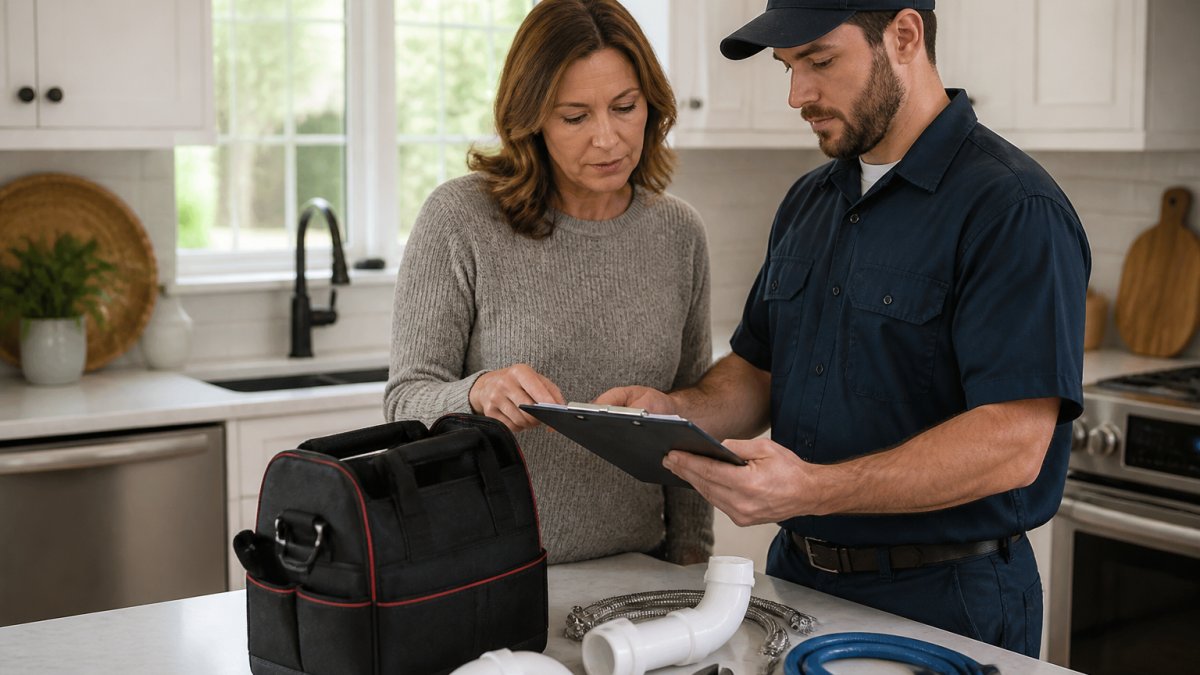
For commercial work or larger projects, verify bonding as well. A bond is a financial guarantee that the plumber will complete the job as promised. It protects you if they abandon the work or don't pay subcontractors.
Questions to Ask a Plumber Before Hiring
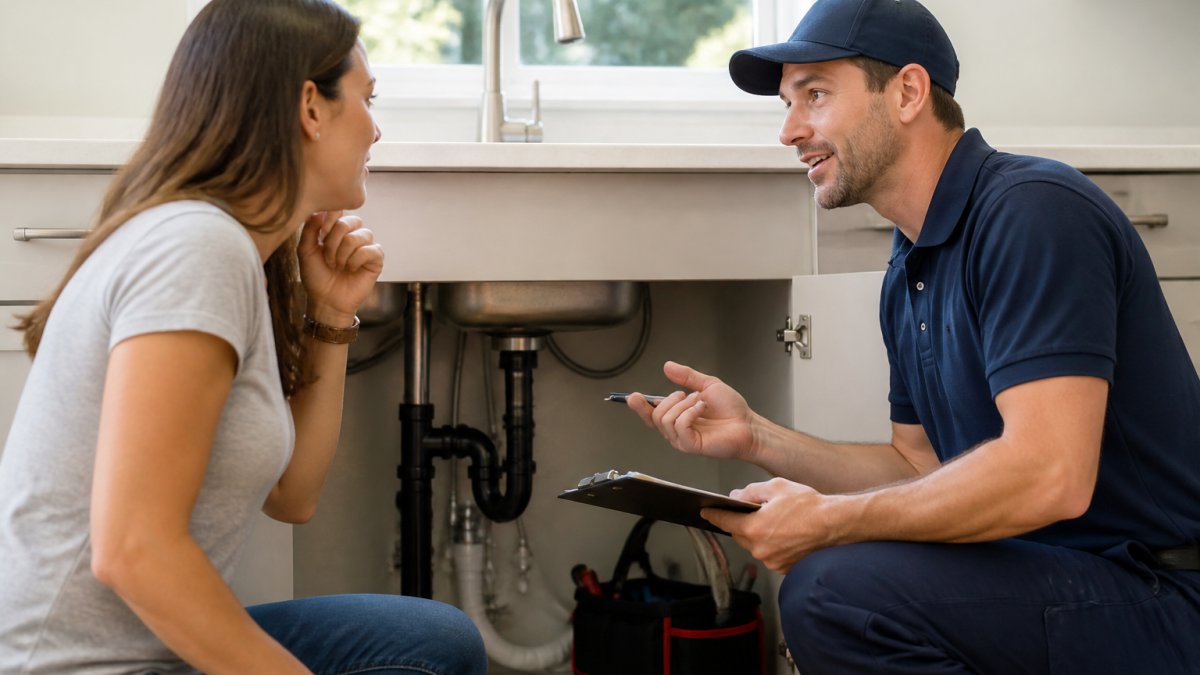
The right questions reveal whether a plumber understands your specific problem and can communicate clearly. They also show whether the plumber is thinking about your long-term needs or just the immediate repair.
Start with the basics: "How long have you been in business?" and "Do you specialize in the type of work I need?" A plumber with 10 years of experience handling water heater installations is more reliable than someone who dabbles in everything. Experience in your specific issue matters.
Then move to the critical operational questions below.
Who Will Perform the Work?
Ask directly: "Will you personally do the work, or will a crew member handle it?" Many plumbing companies send technicians while the owner manages the office. That's fine, but you need to know who's coming. Ask for their name and experience level. A master plumber costs more than an apprentice, but for complex jobs, that expertise is worth the price.
If it's a crew member, ask about their training and how long they've worked for the company. You want someone who knows the business's standards and won't cut corners. The best companies train their technicians consistently and stand behind their work regardless of who performs it.
What Is Your Warranty and Callback Policy?
This question separates reliable plumbers from ones hoping you won't notice problems later. A solid warranty covers parts and labor for a defined period, often one year on parts, sometimes longer on major installations. Ask exactly what's covered and for how long.
Then ask about callbacks. A reliable plumber will return at no charge if the same problem recurs within the warranty period. Get this in writing. If the plumber says "we don't usually have callbacks," that's either luck or they're not taking responsibility for their work.
How Do You Handle Unexpected Issues?
Plumbing jobs often reveal surprises, corroded pipes behind walls, outdated fixtures that need replacement, or code violations that require fixes. Ask: "If you find something unexpected, how will you handle it?" A trustworthy plumber will stop work, explain the issue, show you the problem if possible, and get your approval before proceeding. They won't just add charges to your bill without discussion.
Get clarity on this before they start. Ask whether there's a cap on unexpected costs or whether you'll be consulted before any work beyond the original estimate is done. This protects you from surprise invoices.
Red Flags When Hiring a Plumber
Certain behaviors signal that a plumber isn't trustworthy. Watch for these warning signs before you hire.
Refusing to provide references or customer reviews. A reliable plumber will offer references without hesitation. If they say "I'm too busy" or "my past clients prefer privacy," that's evasive. Legitimate businesses have satisfied customers willing to vouch for them.
Quoting over the phone without seeing the problem. A plumber who gives you a price before assessing the actual issue is guessing.
Pushing for cash-only payments or refusing written estimates. Cash payments leave no paper trail and make it harder for you to dispute charges or file complaints if something goes wrong. A legitimate business accepts credit cards and checks.
Pressure to hire immediately or high-pressure sales tactics. Reliable plumbers don't rush you into decisions.
Creating a Plumbing Estimate Checklist
A written estimate is your protection. It documents what work will be done, what it costs, and what's included. Before accepting any estimate, verify it covers everything you need.
What Should Be Included in a Written Estimate
A complete estimate includes:
- Detailed description of the work. Not "fix water heater", but "replace 40-gallon water heater, disconnect old unit, install new unit, connect hot and cold water lines, connect gas line, test for leaks and proper operation."
- Labor cost and parts cost listed separately. This shows you what you're paying for and makes it easier to compare estimates.
- Brand and model of any parts or fixtures. If the estimate says "water heater," ask which brand and model. Different brands have different lifespans and reliability.
- Timeline. When will the work start and how long will it take? A realistic timeline prevents surprises.
- Warranty details. What's covered and for how long? Get this in writing.
- Terms and conditions. Payment method, cancellation policy, what happens if unexpected issues arise.
- Permit information. Some jobs require permits. The estimate should clarify who pulls them and whether the cost is included.
A vague estimate is a liability. If something isn't spelled out, ask about it before signing.
Comparing Multiple Quotes
Get at least three estimates before deciding. This gives you a realistic sense of pricing and lets you compare approaches. However, don't just pick the lowest bid.
The cheapest estimate often means corners are being cut, lower-quality parts, less experienced technicians, or hidden costs that appear later. The most expensive estimate might reflect unnecessary work or inflated labor rates. Instead, compare what's included.
Create a simple comparison: list the same job across three estimates and note what each plumber is proposing. Are they recommending the same solution, or different approaches? If two plumbers recommend replacing a section of pipe and one says it just needs patching, ask why. The outlier might be seeing something the others missed, or they might be overselling.
Look for consistency in labor hours and parts costs. If one estimate is significantly higher or lower, ask why. A good plumber can explain their pricing.
Building Trust Through References and Reviews
References and reviews show you how a plumber actually performs on real jobs. Don't skip this step.
Ask the plumber for at least three references, ideally customers who had similar work done. Call them and ask specific questions: Did the work get completed on time? Was the final bill close to the estimate? Did the plumber clean up afterward? Would you hire them again?
Online reviews on Google, Yelp, and the Better Business Bureau reveal patterns. One negative review might be a difficult customer, but multiple complaints about the same issue, missed appointments, surprise charges, poor communication, signal a real problem.
Pay attention to how the plumber responds to negative reviews. A professional acknowledges the complaint, explains their side, and offers to make it right. Someone who dismisses all criticism or doesn't respond is signaling that customer satisfaction isn't a priority.
When you're evaluating any plumber, look for that same commitment to accountability.
Emergency Hiring: What to Do When You Need Help Now
A burst pipe at midnight or a gas leak doesn't wait for business hours. Emergency situations force you to move faster, but you can still protect yourself.
First, call a plumber you've already vetted if possible. If you have a regular plumber, they often have emergency lines. If not, ask for emergency referrals from trusted neighbors or your homeowner's insurance.
When calling an emergency service, ask upfront: "What's your emergency fee?" Many plumbers charge extra for nights, weekends, or holidays. Know the cost before they arrive.
Once they arrive, don't waive your standards just because it's urgent. Ask them to explain the problem and the solution before they start work.
Get a written estimate or invoice after the emergency is resolved. Follow up the next business day to confirm the work and discuss any warranty.
Hiring a reliable plumber protects your home and your wallet. The process, verifying credentials, asking the right questions, comparing estimates, and checking references, takes a few hours upfront but saves you from costly mistakes.
Frequently Asked Questions
How do I know if a plumber is good and trustworthy?
A reliable plumber should be licensed, insured, and bonded. Check their credentials with your state licensing board, read customer reviews on independent sites, and ask for references. Request a written estimate before work begins, and verify they stand behind their work with a warranty. Trustworthy plumbers communicate clearly about timelines and costs upfront and explain what needs to be done and why.
What questions should you ask before hiring a plumber?
Ask who will perform the work, whether they're licensed and insured, what their warranty covers, how they handle unexpected issues, and what the total cost includes. Request a written estimate detailing labor, materials, and scope of work. Ask about their callback policy if the problem returns, their availability for emergencies, and whether permits are required. These questions help you choose a reliable plumber and avoid surprises.
What are the main red flags when hiring a plumber?
Avoid plumbers who refuse to provide written estimates, won't verify their license on request, lack insurance or bonding, or quote prices significantly lower than competitors without explanation. Be wary of high-pressure sales tactics, cash-only payments, or reluctance to explain the problem. Plumbers who won't provide references or have numerous complaints on the Better Business Bureau are also warning signs. Trust your instincts if something feels off.
How do I verify a plumber's license and insurance?
Ask the plumber for their license number and verify it through your state's licensing board website. Request proof of liability insurance and bonding in writing before work begins. A reliable plumber will provide this information readily. You can also contact the Better Business Bureau to check for complaints. Licensed plumbers meet training standards and are held accountable for their work, protecting you if something goes wrong.
What should a plumbing estimate include?
A complete plumbing estimate checklist should list the specific problem, the proposed solution, labor costs, material costs, timeline, warranty terms, and scope of work. It should specify who will perform the work and whether permits are required. The estimate should clearly state what is and isn't included, any potential additional costs, and payment terms. A detailed written estimate helps you compare quotes fairly and avoid hidden charges.
Should I get more than one plumbing estimate?
Yes, getting 2-3 estimates from different licensed plumbers helps you compare pricing and approaches. This protects you from overcharging and gives you confidence in your choice. However, the lowest price isn't always best, consider the plumber's qualifications, experience, warranty, and customer reviews alongside cost. Significant price differences may indicate that one plumber found an issue others missed or proposes a different solution.
What should I do if a plumbing repair doesn't solve the problem?
Contact the plumber immediately and reference their warranty terms. A reliable plumber will return to diagnose and fix the issue at no additional charge if the original repair was faulty. Ask about their callback policy before hiring. If the plumber refuses to return or charges again, document everything and contact the Better Business Bureau. This is why choosing a plumber with transparent warranty terms and a good reputation matters.