 ultimate-guide
Emergency Plumbing Services: What to Do When Disaster Strikes
Table of Contents
- What Is Considered a Plumbing Emergency
- Immediate Steps to Take During a Plumbing Crisis
- Common Plumbing Emergencies and What Causes Them
- Emergency Plumbing Cost Estimate: What You'll Actually Pay
- Why Fast Response Times Matter in Emergency Situations
- Residential vs. Commercial Emergency Plumbing Needs
- Choosing a Licensed Plumber for Emergency Repairs
- Frequently Asked Questions
Last Updated: September 28, 2026
What Is Considered a Plumbing Emergency
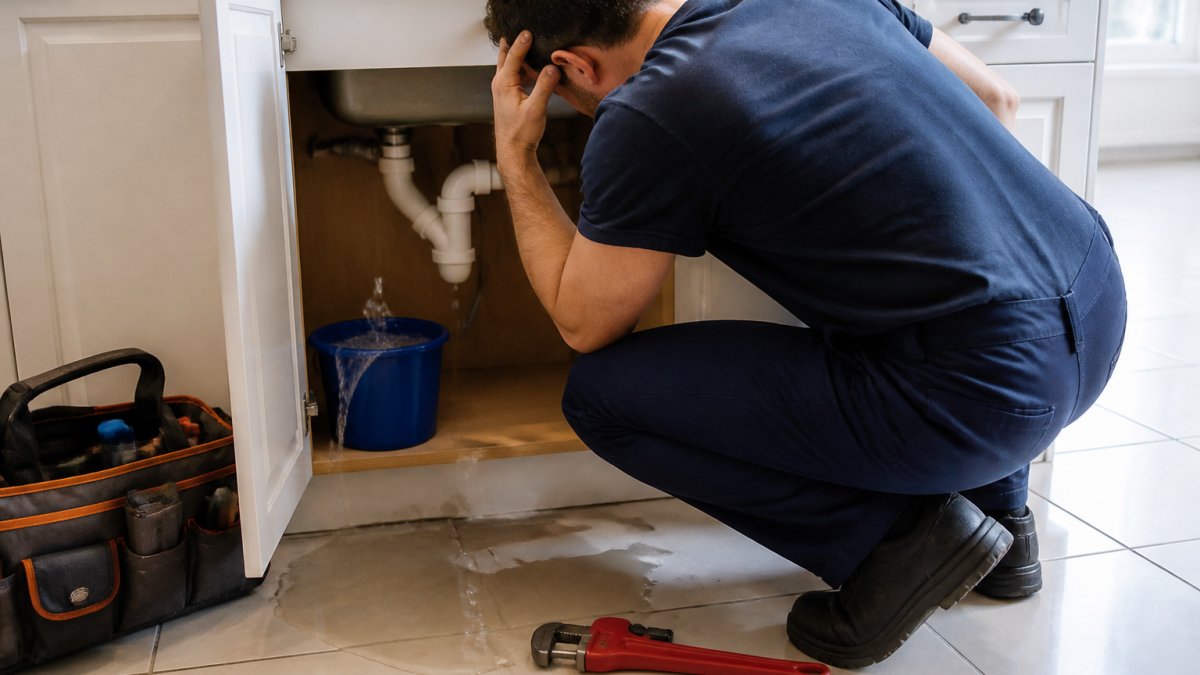
A plumbing emergency is any sudden failure of your water, sewer, or gas systems requiring immediate professional attention to prevent property damage, health hazards, or safety risks. A slow drain or minor leak under the sink can wait for a regular appointment, but actively flooding water, burst main lines, or gas smells demand urgent response.
Emergency calls carry premium pricing and different dispatch requirements than standard service. Common emergencies include burst pipes, complete loss of water pressure, sewage backups, gas leaks, and winter water heater failures. DC Plumbing Heating and Air Conditioning offers 24/7 emergency services.
Immediate Steps to Take During a Plumbing Crisis
Your first minutes determine how much damage occurs, which is why calling for emergency plumbing services immediately is critical. Stop the water source if safe to do so by locating the shut-off valve for that specific fixture and turning it clockwise. Call for professional help immediately, waiting almost never works with active leaks or sewage backups.
How to Shut Off Your Water Main
If you can't locate the fixture shut-off valve, shut off your main water supply. Your main shut-off valve is typically located where the water line enters your home: basement, crawlspace, garage, or exterior wall facing the street. In warmer climates, it may be in a box in your front yard.
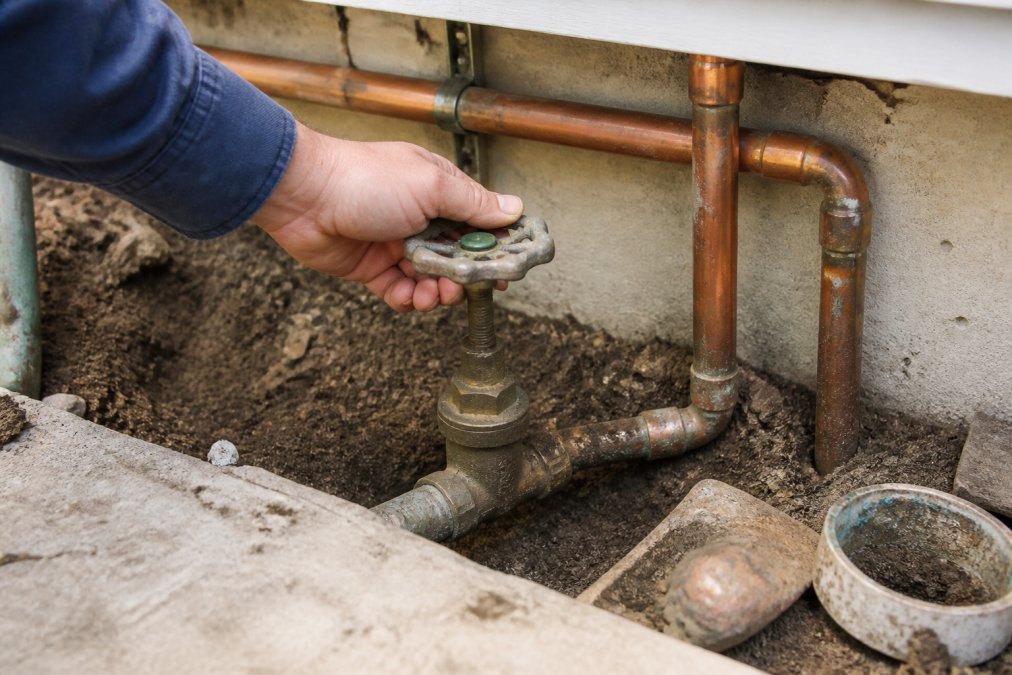
The valve is usually brass or chrome. Turn a handle valve clockwise to close it. A lever handle (ball valve) turns 90 degrees perpendicular to the pipe. After closing the main valve, open a faucet on the lowest level to release remaining water pressure.
Minimize Water Damage While Waiting for Help
Move valuables away from the affected area immediately. Use towels, buckets, and mops to remove standing water. Open windows and doors to increase air circulation. Take photos and video of all damage for insurance purposes before cleanup begins.
Common Plumbing Emergencies and What Causes Them
Understanding typical failures helps you recognize warning signs before a full emergency occurs.
Burst Pipes and Corrosion (Year-Round Risk)
Burst pipes occur when water freezes and expands, cracking interior walls. In coastal climates, corrosion is often the bigger threat. Salt air accelerates corrosion in copper and galvanized steel pipes. Homes built before the 1990s often have galvanized steel pipes that corrode from the inside out, weakening walls until they rupture under normal pressure.
Discolored water (reddish or brown tint), reduced water pressure, or pinhole leaks in copper pipes signal advanced corrosion. Once corrosion reaches this stage, the entire pipe section requires replacement. If your home was built before 1980, consider having a plumber inspect your main water line and supply lines.
Sewer Line Backups and Tree Root Intrusion
Sewer line backups occur when tree roots infiltrate the main sewer line or debris accumulates. Sewage backs up into your home through drains and toilets, creating serious health hazards. Mature trees around older homes have roots that naturally seek moisture from sewer lines. Even small cracks in clay or cast-iron sewer pipes (common in homes built before 1970) allow roots to enter and grow inside.
Warning signs include slow drains throughout the house, gurgling sounds from drains, sewage odors in the yard, or wet patches in the lawn. Call for professional sewer inspection before a complete backup occurs. Video inspection equipment locates root intrusion and determines whether cleaning or replacement is needed.
Water Heater Failures and Mineral Buildup
Water heater failures typically happen without warning, the tank develops a leak, the heating element fails, or the thermostat malfunctions. Gas water heaters can develop dangerous gas leaks requiring immediate evacuation.
In areas with hard water, sediment accumulates inside the tank faster, reducing heating efficiency and causing premature element failure. If your water heater is more than 10 years old and hasn't been flushed, sediment is likely reducing its lifespan. Annual flushing can help remove sediment and extend tank life.
Gas Leaks (Immediate Evacuation Required)
Gas leaks are the most dangerous emergency. If you smell rotten eggs or sulfur near gas appliances or lines, evacuate immediately and call your gas company from outside. Do not use electrical switches, light matches, or create any spark. Do not attempt to locate or repair a gas leak yourself.
Main Water Line Breaks (Underground and Hidden)
Main water line breaks occur underground and may not be immediately obvious. Signs include sudden loss of water pressure, wet spots in your yard, unexplained water bill increases, or soggy patches persisting in dry weather. Underground water lines fail due to age, corrosion, ground shifting, or tree root pressure.
Call for professional leak detection using acoustic equipment and pressure testing to pinpoint the break without excavating your entire yard.
Drain Clogs and Backups (Preventable with Maintenance)
Drain clogs develop when hair, soap, grease, and debris accumulate inside pipes. Slow drains are early warning signs; complete blockages cause backups. Many clogs can be prevented with simple habits: use drain screens, avoid pouring grease down drains, and flush only toilet paper.
Professional drain cleaning with a drain snake or hydro-jetting removes stubborn clogs. If you experience recurring clogs in the same drain, the underlying issue may be a cracked pipe or root intrusion, video inspection determines the cause.
Emergency Plumbing Cost Estimate: What You'll Actually Pay
Emergency plumbing costs depend on time of day, repair complexity, and parts required. Understanding pricing upfront prevents surprise invoices during a crisis.
Typical Emergency Service Charges
Emergency service calls typically include a diagnostic fee covering the plumber's assessment and repair estimate. After-hours surcharges are standard across the industry. A 2 a.m. Sunday call costs more than the same repair on a Tuesday afternoon.
Repair Costs by Complexity
Simple fixes (shut-off valve replacement, fixture repair, minor leak sealing): $200-$600 including parts and labor.
Moderate repairs (burst pipe in accessible location, water heater replacement, drain cleaning): $800-$2,500.
Major repairs (main sewer line replacement, extensive water damage restoration, underground leak detection and repair): $2,500-$10,000+.
What to Expect Before Work Begins
Reputable emergency plumbers provide a written estimate before starting work, including the diagnostic fee, hourly labor rate and estimated hours, parts and materials with individual line-item pricing, any after-hours surcharges, and total estimated cost. Do not proceed if the plumber refuses to provide an estimate.
Insurance and Payment Options
Check your homeowners insurance policy, some cover emergency plumbing repairs, particularly sudden accidental damage like burst pipes. Document the emergency with photos and contact your insurance company promptly.
For large repairs, ask about payment plans or financing options. Many plumbers accept major credit cards, checks, and electronic transfers.
Why Fast Response Times Matter in Emergency Situations
The speed at which a plumber arrives directly correlates with total damage and final cost. A fast response can help prevent additional water intrusion and potential structural damage.
Professional emergency plumbing services maintain crews on call to minimize response times. Fast response also means experienced technicians with diagnostic equipment and repair materials who understand emergency protocols. Consider response time when choosing your emergency plumber. DC Plumbing Heating and Air Conditioning offers 24/7 emergency services.
Residential vs. Commercial Emergency Plumbing Needs
Residential emergency plumbing focuses on single-family homes and small multifamily buildings. Commercial emergency plumbing serves businesses, office buildings, and larger apartment complexes. Residential emergencies typically involve individual fixtures or localized systems affecting one household.
Commercial emergencies often affect multiple tenants or operations. A burst main line in an office building can disable bathrooms for dozens of workers. A failed sewer line at a restaurant forces closure during peak hours. Commercial systems handle higher volume, have more fixtures, and often include specialized equipment like grease traps and backflow preventers.
DC Plumbing Heating and Air Conditioning serves both residential and commercial clients, understanding different urgency levels and technical requirements.
Choosing a Licensed Plumber for Emergency Repairs
A licensed plumber has completed required training, passed examinations, and maintains current credentials with your state's licensing board. This ensures they understand plumbing codes, safety standards, and proper installation techniques.
Ask about certifications beyond basic licensing. Some plumbers specialize in sewer line repair, water heater installation, or gas line work. Check references and reviews from previous emergency customers, how quickly did they respond? Did they explain the problem clearly? Were they honest about costs?
Verify that your chosen plumber carries liability insurance and workers' compensation coverage. This protects you if an injury occurs during repair and indicates a professional operation.
DC Plumbing Heating and Air Conditioning maintains full licensing and certification for all technicians.
Frequently Asked Questions
What is considered a plumbing emergency?
A plumbing emergency is any situation that poses immediate risk to your home or health. Burst pipes, active gas leaks, sewage backups, and water heater failures that flood your space all qualify. Loss of water to your entire home also counts. If water damage is happening now or a safety hazard exists, call for emergency plumbing services immediately rather than waiting for business hours.
How do I shut off my main water supply during a pipe burst?
Locate your main water shut-off valve, typically found near the foundation, in a basement, or at the meter box. Turn the valve clockwise until it stops, do not force it. If you cannot find it or the valve won't turn, call your water provider's emergency line. Shutting off water stops active flooding and buys time while you wait for a licensed plumber to arrive and make repairs.
How much does an emergency plumbing call cost?
Emergency plumbing costs vary based on the type of repair and time of day. After-hours service fees typically apply. The best approach is to contact a local licensed plumber directly for a transparent quote before work begins. Many reputable plumbers offer upfront pricing, so you know exactly what you'll pay before the technician starts repairs.
Why should I hire a licensed and insured plumber for emergency repairs?
A licensed plumber has met training and code compliance requirements, ensuring the repair is done correctly the first time. Insurance protects you if property damage occurs during the repair. Licensed professionals also provide warranties on parts and labor, giving you recourse if problems arise after the emergency call. This protects your home's value and your investment in the repair.
When a plumbing emergency strikes, your first priority is stopping the immediate problem and preventing further damage. Knowing what constitutes an emergency, how to shut off your water, and when to call for professional help gives you control during a crisis. Contact DC Plumbing Heating and Air Conditioning for immediate emergency response, transparent pricing, and expert repairs that restore your system safely and completely.