 How-to
How Long Does Hydro Jetting Take: Your Appointment Timeline
Last Updated: November 8, 2026
Quick Summary
Most hydro jetting jobs take one to two hours of active cleaning. A simple kitchen or bathroom branch line often clears in 30 to 45 minutes, while a main sewer line with roots commonly runs 60 to 90 minutes. A technician's on-site assessment is the most reliable estimate.
- Setup takes 10 to 20 minutes and stretches if the cleanout is buried or painted over.
- Camera inspection takes 15 to 30 minutes and confirms the pipe can safely take high-pressure water.
- A main line with significant tree root growth can take closer to two to three hours.
- The final camera check and flow test take 10 to 20 minutes to confirm the line is clear.
- Clear access to the cleanout and moving fragile items away from the work area speed up the visit.
Table of Contents
- How Long Does Hydro Jetting Take: The Short Answer
- A Stage-by-Stage Timeline of the Service Visit
- What Factors Affect How Long Hydro Jetting Takes
- How Long Does Hydro Jetting Take to Work on Stubborn Blockages
- Hydro Jetting a Sewer Line: What to Expect on the Job
- Hydro Jetting Cost and What Drives the Final Price
- How Long Does Hydro Jetting Last Before You Need It Again
- How to Prepare for Your Hydro Jetting Appointment
- Frequently Asked Questions
How Long Does Hydro Jetting Take: The Short Answer
Most hydro jetting jobs take one to two hours of active cleaning. Actual timing depends on the line, so a technician's assessment on site is the most reliable estimate. Hydro jetting is a drain and sewer cleaning method that uses high-pressure water through a specialized hose and nozzle to scour grease, debris, and tree roots from a pipe. The water pressure clears buildup that a cable auger only pokes through. A simple kitchen line can wrap up in under an hour, while a main sewer line with heavy root intrusion can take considerably longer.
A Stage-by-Stage Timeline of the Service Visit
The appointment follows a predictable sequence, and knowing it removes the guesswork. Here is how a typical residential hydro jetting service visit unfolds, from the knock on your door to the final camera check, with realistic time ranges for each stage and the points where a job can slow down or stop.
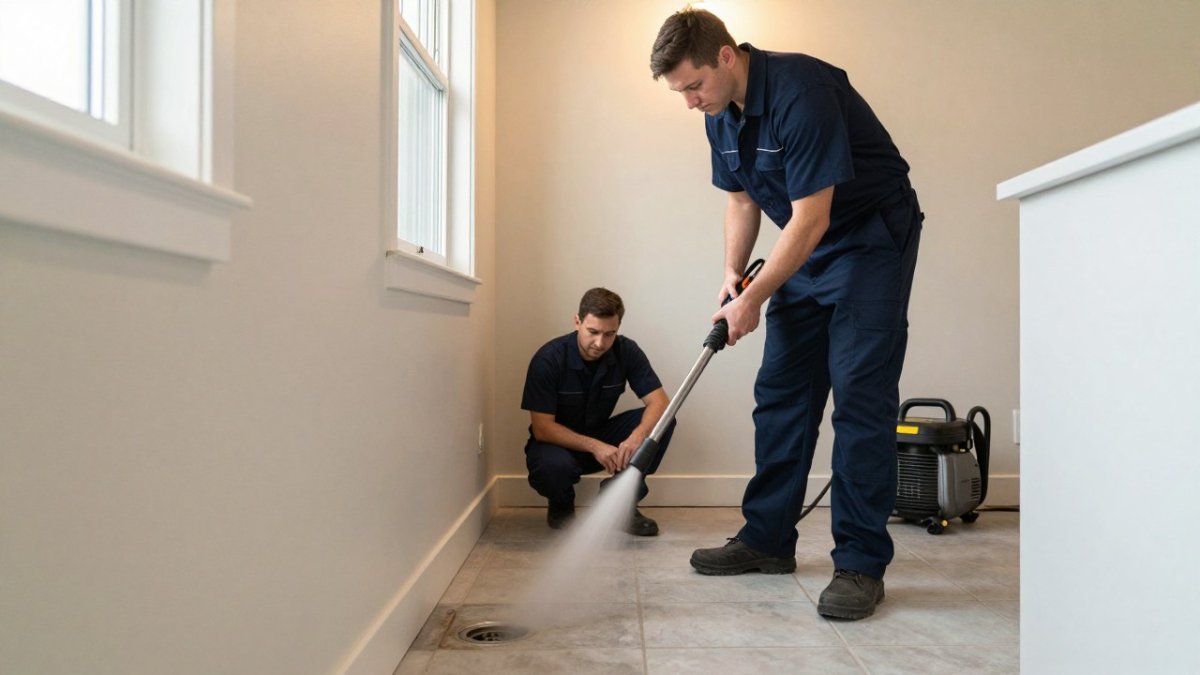
Arrival and setup (10-20 minutes)
The technician lays protective mats, locates the cleanout, and stages the jetter and hose. Setup is usually quick, but it stretches if the cleanout is buried, painted over, or behind a finished wall. Watch out: a missing or inaccessible cleanout can add 20-40 minutes while the technician finds another entry point or recommends installing a new cleanout before jetting.
Camera inspection (15-30 minutes)
A sewer camera runs the line to find the clog, note pipe condition, and check for cracks or root intrusion. This stage is not optional for a responsible job: the camera tells the technician whether the pipe can safely take high-pressure water. If the camera shows a collapsed section, a belly (sag) in the line, or severe corrosion, the technician should stop and discuss repair options rather than jetting a pipe that could fail.
The cleaning itself (30-90 minutes)
The high-pressure hose feeds into the line, and the nozzle scours the pipe walls as it travels to the blockage and back. Soft grease and soap scum clear in a single pass. Roots and hardened scale take repeated passes, and each pass adds time. A simple kitchen or bathroom branch line often clears in 30-45 minutes; a main sewer line with roots commonly runs 60-90 minutes.
Final camera check and flow test (10-20 minutes)
The camera runs again to confirm the line is clear and the buildup is gone, and the technician runs water to verify flow. This is how the job is confirmed complete. If the camera still shows buildup or a root mass, the technician makes another pass before packing up. A technician who skips this step is guessing.
Cleanup and walkthrough (10-15 minutes)
The technician pulls the hose, rinses the work area, and walks you through what was found and what was cleared. Ask for the camera footage or a summary; it documents the before-and-after condition and helps if the clog returns.
Total typical visit: Duration varies with the job. Heavy roots, a long main line, or a difficult cleanout will extend the visit.
Here is how a typical residential hydro jetting visit breaks down, stage by stage.
| Stage | Time | Note |
|---|---|---|
| Arrival and setup | 10-20 minutes | Longer if cleanout is buried or painted over |
| Camera inspection | 15-30 minutes | Confirms pipe can safely take high-pressure water |
| The cleaning itself | 30-90 minutes | Kitchen or bathroom branch line often 30-45 minutes |
| Main sewer line with roots | 60-90 minutes | Roots and hardened scale take repeated passes |
| Final camera check and flow test | 10-20 minutes | Confirms line is clear and buildup is gone |
| Cleanup and walkthrough | 10-15 minutes | Ask for camera footage or a summary |
| Total typical visit | One to two hours | Heavy roots or difficult cleanout extend the visit |
Time ranges for each stage of a hydro jetting service visit
What Factors Affect How Long Hydro Jetting Takes
Several variables push a job past the one-to-two-hour mark. The biggest is the severity of the clog, but pipe length, layout, and access all play a role. A short drain line with a soft grease clog clears fast. A long main sewer line with roots and decades of mineral buildup takes longer.
Clog Severity, Pipe Length, and Access Points
- Clog severity and type: Grease buildup and soft debris clear quickly. Tree roots and hardened mineral buildup take repeated passes.
- Pipe length and layout: A long main sewer line with bends and offsets slows the hose and adds time.
- Access difficulty: A clear, reachable cleanout speeds things up. A missing or buried cleanout means the technician has to find another line access point.
- Pipe condition: Old cast iron or clay pipe with cracks needs a gentler, slower approach to avoid damage.
- Pipe diameter: Smaller drain lines clear faster than a full main line.
A common mistake is assuming every clog is the same. They are not, and the time difference shows it.
How Long Does Hydro Jetting Take to Work on Stubborn Blockages
Stubborn blockages take longer because they need more passes. A single pass of the nozzle may not cut through heavy root intrusion or years of grease. The technician feeds the hose forward, pulls it back, and repeats until the camera shows a clean pipe. How long does hydro jetting take to work on roots? Expect closer to two to three hours for a main line with significant tree root growth. The payoff is a thorough clear instead of a temporary poke-through.
Hydro Jetting a Sewer Line: What to Expect on the Job
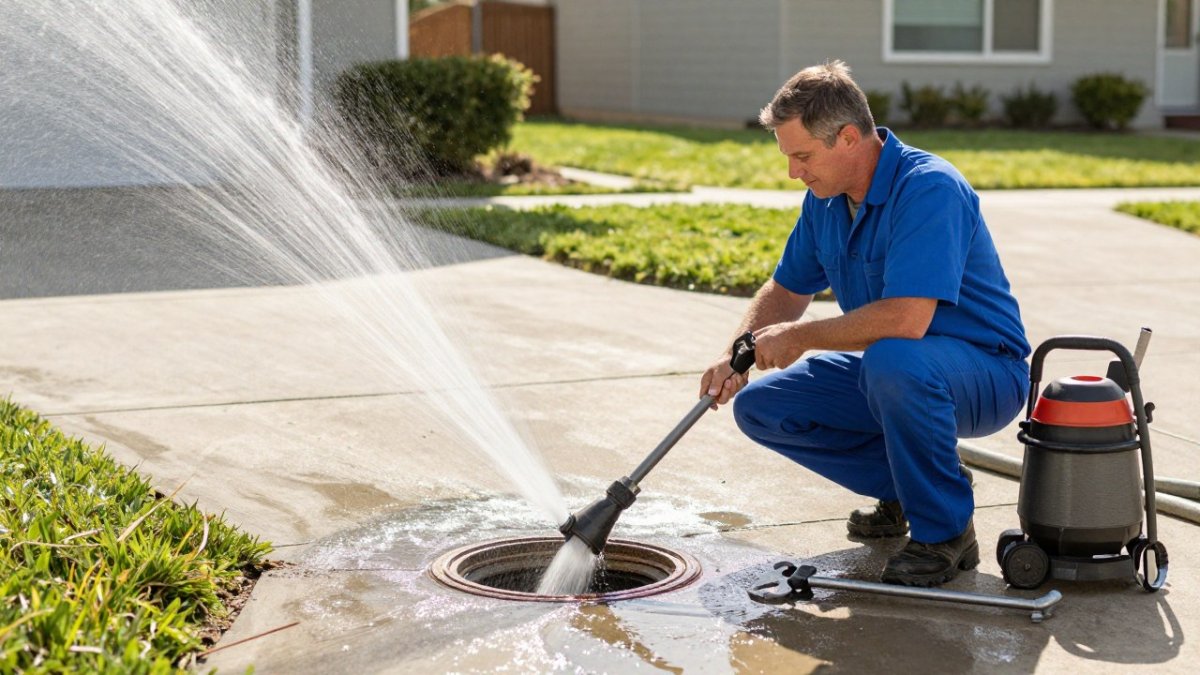
Hydro jetting a sewer line is louder and wetter than a simple drain snaking, and that is normal. The equipment runs a high-pressure pump, so you will hear it. The technician works from the cleanout, so your floors stay covered and your space stays tidy. Expect some water flow as the line flushes. Someone should be there to grant access and answer questions about the plumbing system.
Why a sewer-line job takes longer than snaking
A cable auger bores a hole through a clog; it does not clean the pipe walls. Hydro jetting scours the full inside diameter of the pipe, which is why it is often used to address buildup that causes repeat backups.
What can delay or prevent the work
Several conditions turn a one-hour job into a longer visit or a different service altogether:
- Inaccessible cleanout: A buried, damaged, or missing cleanout forces the technician to find another access point or recommend installing one.
- Damaged pipe: Cracks, collapsed sections, or severe corrosion mean jetting could worsen the problem; the technician should stop and recommend repair.
- Multiple blockages: More than one clog in the line requires additional passes and camera checks.
- Long or offset line: Bends, offsets, and long runs slow the hose and add time.
- Root intrusion: Dense roots may need repeated passes and, in some cases, a follow-up visit.
Watch out: if a technician starts jetting without a camera inspection, you have no record of the pipe condition before the work, which makes it harder to prove damage was pre-existing.
How the technician confirms the line is clear
Completion is confirmed on camera and with a flow test, not by the sound of water draining. The technician runs the camera the full length of the line, checks for remaining buildup or root mass, and runs water to verify flow. If a blockage remains, another pass is made before the job is called done. Ask to see the footage or a summary; it is your record of the before-and-after condition.
When jetting is the right call
Jetting is recommended for grease and scale buildup, root intrusion, and recurring backups where the pipe is structurally sound. It is not the right first step for a collapsed pipe or a line with a known break. If the camera reveals damage, the technician will explain repair options before doing more.
Hydro Jetting Cost and What Drives the Final Price
Hydro jetting cost depends on the job, not a flat price. Line length, clog severity, access, and whether a camera inspection is included all affect the final bill. A short residential drain line costs less than a long main sewer line with roots. Ask for upfront pricing before work starts, so you know the number before the hose goes in. For a closer look at what repair pricing involves, see our guide to the average cost of sewer line repair.
How Long Does Hydro Jetting Last Before You Need It Again
How long results last depends on what goes down your drains. A line kept free of grease and wipes holds its clear longer. A line with active tree roots may need attention sooner. How long does hydro jetting last in a home with heavy root intrusion? Roots can grow back, so regular maintenance matters. If your clogs keep returning, our guide on how often sewer lines should be cleaned explains a sensible schedule, and our tips on preventing recurring sewer backups help you stop the cycle.
How to Prepare for Your Hydro Jetting Appointment
A little prep makes the visit faster and smoother. Clear the area around the cleanout, move anything fragile away from the work zone, and note any slow drains or gurgling sounds to share with the technician.
- Clear access to the cleanout and utility room
- Move boxes, rugs, and fragile items away from the work area
- Note which drains are slow or backing up
- Tell the technician about past clogs or repairs
- Ask for the upfront price before work starts
- Confirm whether a camera inspection is included
If you want to understand the inspection stage and its cost, our guide to sewer camera inspection cost breaks it down. And to keep your final bill predictable, read our tips on avoiding surprise plumbing charges.
A slow drain or a sewer backup never waits for a convenient time, and guessing at the cause only wastes money.
Frequently Asked Questions
How long does hydrojetting a sewer line take?
Most residential sewer lines clear in one to two hours of active cleaning. The full appointment includes setup, a camera inspection, and cleanup, in addition to the cleaning itself. Longer runs, heavy root intrusion, or a clog that needs several passes will extend the visit. Your technician can give a tighter estimate after seeing the line on camera.
Will hydro jetting damage pipes?
Hydro jetting is safe for pipes in sound condition when a technician adjusts water pressure to the pipe's material and age. The risk comes from sending high pressure through a line that is already cracked, collapsed, or badly corroded. That is why a camera inspection comes first. If the pipe condition looks questionable, the technician should recommend repair or a gentler clearing method instead of proceeding.
How long does hydro jetting take to work?
You usually see water draining freely within minutes of the nozzle reaching the blockage, and the technician confirms the result with a camera pass before leaving. Grease and soft debris clear quickly, while mineral buildup or dense roots can need multiple passes. If the line still holds standing water after cleaning, the technician should investigate for a deeper problem rather than call the job done.
How much does it cost to hydrojet a main sewer line?
Pricing depends on line length, clog severity, access difficulty, and whether a camera inspection is included, so a reputable company quotes after assessing the job rather than over the phone. Ask for an upfront price before work starts and confirm what is covered, including the inspection and any warranty on the workmanship. Visit DC Plumbing Heating and Air Conditioning's website for current prices or a quote.