 How-to
What Happens If Your Sewer Line Collapses?
Last Updated: October 30, 2026
Quick Summary
A sewer line collapse stops wastewater from leaving your home, so sewage backs up into your lowest drains and can spill into your yard. The backup keeps returning after you clear it, and leaking sewage can saturate soil and crack a slab foundation over time. Stop using water immediately and call a licensed plumber with 24/7 emergency service.
- A collapse rarely happens overnight; it usually builds for months from a small crack.
- The clearest sign is a backup that keeps returning after you clear it.
- Do not run a plunger or drain snake on a suspected collapse, as it can widen the break.
- Ask the plumber to run a camera inspection and show you the footage before authorizing major work.
- Many standard homeowners policies exclude the underground pipe itself but may cover resulting damage.
Table of Contents
- What Happens When a Sewer Line Collapses
- Signs of a Collapsed Sewer Line Every Homeowner Should Know
- What to Do When a Sewer Line Backs Up
- How a Sewer Line Camera Inspection Pinpoints the Problem
- Collapsed Sewer Line Repair: How the Method Gets Chosen
- What a Collapse Costs and What Insurance May Cover
- What to Document and Ask Before You Hire a Plumber
- Getting Emergency Sewer Help in South Orange County
- Frequently Asked Questions
What Happens When a Sewer Line Collapses
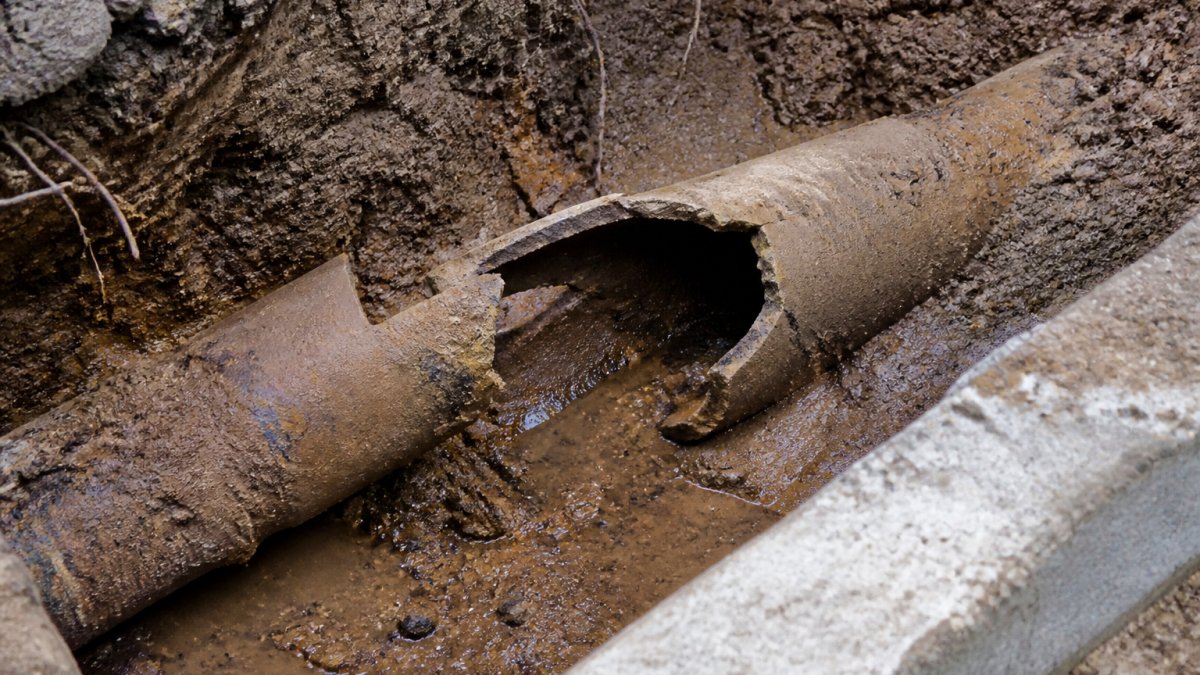
A sewer line collapse stops wastewater from leaving your home. Sewage backs up into drains, spills into yards, and can weaken your foundation.
This guide from DC Plumbing Heating and Air Conditioning explains what happens when a sewer line collapses, how to spot the warning signs, and what to do first.
Here's the part most guides skip: a collapse rarely happens overnight. It builds for months.
From a Small Crack to a Full Blockage
Most sewer pipe failures start small. A hairline crack lets groundwater in. Roots find the moisture and push through.
Then one day, the pipe gives way. Wastewater has nowhere to go but up. It backs into your lowest drains first: basement floor drains, shower pans, and toilets.
A full blockage follows quickly. Solid waste and paper pile up behind the break. Every gallon you send down the line adds pressure.
Risks to Your Foundation and Yard
Sewage leaking underground does more than smell. It soaks the soil around your foundation. That soil expands, shifts, and can crack a slab foundation over time.
Watch for these risks:
- Foundation damage from saturated, shifting soil
- Sinkholes or soft spots in the yard above the broken pipe
- Sewage leaks that contaminate soil and nearby storm drains
- Property damage from backups inside the home
The EPA guidance on septic and sewer system care notes that untreated sewage carries bacteria and pathogens. That's why cleanup matters as much as the repair.
Signs of a Collapsed Sewer Line Every Homeowner Should Know
The clearest sign of a collapsed sewer line is a backup that keeps returning after you clear it. One clog is normal. The same clog three times in a few months is not.
Here are the warning signs we tell every homeowner to watch for:
- Frequent clogs in multiple drains at once
- Slow drainage in sinks, tubs, and showers
- Gurgling sounds from toilets or drains after use
- Sewage smells inside the house or in the yard
- Backed-up drains when you run the washing machine
- Soggy patches or unusually green grass above the main line
- Sinkholes or sunken spots in the lawn
- Rodent or insect activity drawn to leaking waste
One or two of these could be a simple clog. Three or more together point to a problem in the underground pipe itself.
What to Do When a Sewer Line Backs Up
Stop using water the moment a backup starts. Every flush and every load of laundry pushes more wastewater into the clogged line, and if the pipe is collapsed, that waste has only one place to go: up and out into your home. The first hour matters more than any other part of this process.
Step 1: Stop the Water and Isolate the Line
- Shut off fixtures, no toilets, sinks, showers, dishwasher, or washing machine.
- Turn off the water heater if the basement or utility area is flooding, to reduce the volume feeding the backup.
- Locate your main shutoff and the sewer cleanout so you can point the plumber to them when they arrive.
- Do not run a plunger or drain snake on a suspected collapse. Pushing force against a broken pipe can widen the break and drive waste into the soil around your foundation.
Step 2: Protect People and Pets
Raw sewage carries bacteria, viruses, and parasites. Treat any standing wastewater as contaminated.
- Keep children and pets out of affected rooms and out of the yard above the line.
- Ventilate by opening windows and running exhaust fans; sewer gas can build up in enclosed spaces.
- Wear gloves and rubber boots if you must move items, and wash hands with soap and warm water afterward.
- Do not use household mops, towels, or a wet/dry vacuum on sewage unless you plan to discard them. Porous materials trap pathogens.
- Bag and discard anything porous that contacted sewage, cardboard, carpet padding, paper, and food.
Step 3: Document Before You Clean
Take photos and short videos of every affected area before cleanup begins: standing water, damaged belongings, the yard above the line, and any visible cracks or sinkholes. This record supports both the repair estimate and any insurance claim. Keep receipts for emergency purchases like gloves, bags, and temporary lodging if the home is uninhabitable.
Step 4: Confirm What You're Actually Dealing With
A backup is a symptom, not a diagnosis. Before authorizing major work, ask the plumber to run a camera inspection and show you the footage. That step distinguishes a collapsed pipe from a grease clog, a root mass, or a failing septic component, each of which calls for a different repair and a different price. If the technician cannot or will not show you the video, get a second opinion.
Step 5: Call for Emergency Service
Call a licensed plumber with 24/7 emergency capability as soon as water use is stopped. Describe what you see, which fixtures are backing up, whether the yard is soggy, and whether the backup clears and returns, so the dispatcher sends the right equipment, including a camera.
For an active backup, fast response matters. Our team offers 24/7 emergency service.
Here is the order of steps to follow the moment a sewer backup starts.
| Step | What to do |
|---|---|
| Step 1 | Stop the water and isolate the line |
| Step 2 | Protect people and pets |
| Step 3 | Document before you clean |
| Step 4 | Confirm what you're actually dealing with |
| Step 5 | Call for emergency service |
How a Sewer Line Camera Inspection Pinpoints the Problem
A sewer camera inspection is one way to see inside the pipe.
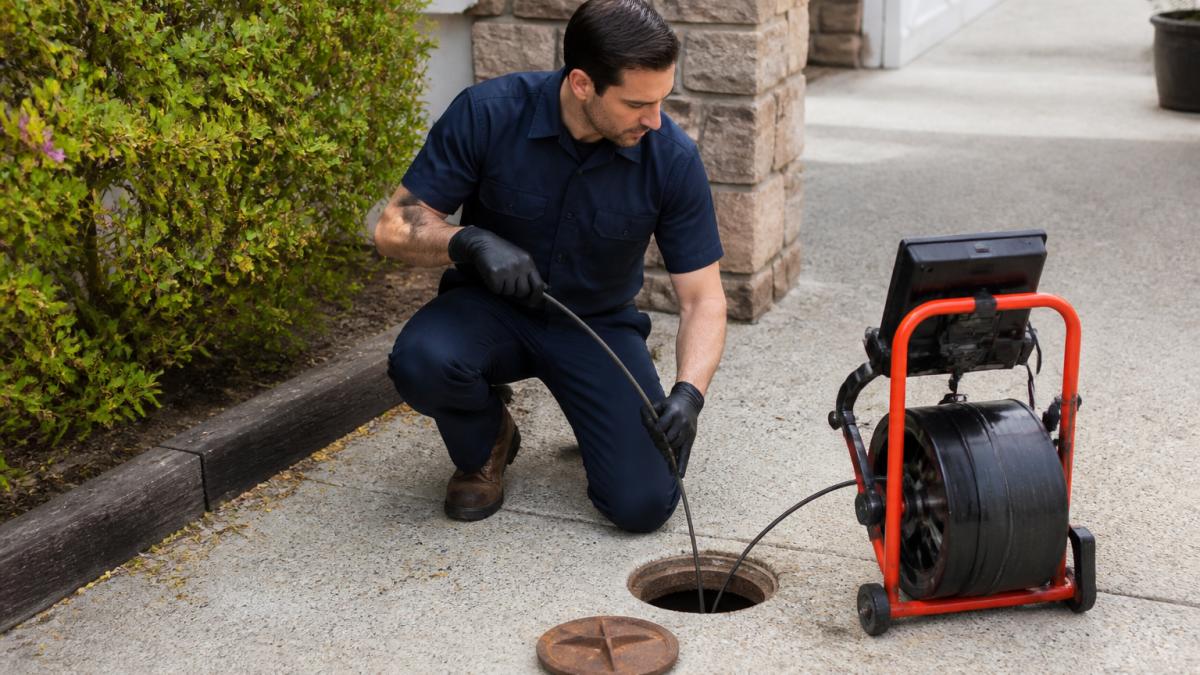
Before you authorize one, it helps to know what a camera inspection costs. Pricing depends on line length and access. Contact DC Plumbing Heating and Air Conditioning for current pricing or a quote.
Collapsed Sewer Line Repair: How the Method Gets Chosen
Collapsed sewer line repair generally involves either spot repair or full replacement, depending on the condition of the pipe.
Spot repair typically applies when damage is limited to one section. Full replacement is generally considered when the pipe is old, cracked throughout, or badly misaligned.
Factors that shape the choice:
- Depth of the pipe and soil conditions
- Length of the damaged section
- Pipe material and age
- Location of trees, driveways, or utilities above the line
What a Collapse Costs and What Insurance May Cover
Cost depends on the repair method, the depth and length of the damaged section, and how much access the crew needs. No honest contractor can quote a collapse over the phone, but you can prepare for the range before the estimate arrives.
What Drives the Price
- Repair method, a spot repair on one section costs a fraction of a full line replacement.
- Depth of the pipe, deeper lines mean more excavation, shoring, and labor.
- Length of damage, a single break versus a run of cracked or misaligned pipe.
- Access, a line under a lawn is cheaper to reach than one under a driveway, patio, or mature tree.
- Restoration, replacing sod, concrete, or landscaping after excavation adds to the total.
How the Methods Compare on Cost
Get at least two written estimates that itemize the camera inspection, the repair itself, permits, and restoration. Ask each contractor what could change the price once the trench is open, hidden damage, groundwater, or unexpected utilities are common variables.
What Homeowners Insurance Usually Covers
Many standard homeowners policies exclude the underground pipe itself. Review your policy's terms with your insurer. What they may cover is resulting damage, sewage backup into the home, damaged flooring or drywall, and ruined belongings, and only if the policy includes water backup or service line coverage.
- Water backup endorsement, covers sewage that backs up through drains into the home.
- Service line coverage, an optional rider that can cover the buried pipe and excavation.
- Exclusions, wear and tear, root intrusion, and lack of maintenance are commonly excluded causes.
Read your policy's exclusions before you file, and ask your adjuster two questions in writing: whether the cause is covered, and whether excavation and restoration are included. Keep the camera footage and the contractor's written diagnosis; insurers often request both.
Two resources help you plan:
- Average cost of sewer line repair to see what different repairs run
- Does homeowners insurance cover sewer line repair for a closer look at coverage
Ask for a written estimate before work begins.
What to Document and Ask Before You Hire a Plumber
Document everything before the crew arrives. Photos of the backup, the camera footage, and the written estimate protect you if a dispute comes up later.
Ask these questions before you hire:
- Are you licensed and insured?
- Will you show me the camera footage?
- Is the estimate fixed or hourly?
- What's covered under the warranty?
- Will you pull any permits the job needs?
- Who handles cleanup and yard restoration?
A common mistake is hiring on price alone. For a fuller checklist, see how to choose a reliable plumber.
Getting Emergency Sewer Help in South Orange County
A collapsed sewer line is a race against time. Every hour of backed-up waste raises the risk of foundation damage and costly cleanup.
At DC Plumbing Heating and Air Conditioning, we've served homeowners and property managers across South Orange County since 1989.
Call today for 24/7 emergency service, and we'll diagnose the line, explain your options, and get your plumbing system running again.
Frequently Asked Questions
Can you still use water if your sewer line collapses?
Stop using water as soon as you suspect a sewer line collapse. Every flush, shower, and load of laundry sends wastewater into a line that has nowhere to go, and it will surface in the lowest drains of your home or in the yard. Shut off fixtures, avoid running the dishwasher, and call a licensed plumber for an emergency assessment. Once the line is cleared or bypassed, normal use can resume.
How is a collapsed sewer line diagnosed?
A plumber typically starts with a visual check of cleanouts and drain behavior. Diagnosis of a collapsed line generally involves a camera inspection of the main line, which can show cracked pipe walls, offset joints, and damaged sections.
Can you get sick from a broken sewer line?
Yes. Raw sewage carries bacteria, viruses, and parasites, and contact with backed-up wastewater or contaminated surfaces can cause gastrointestinal illness and skin infections. Keep children and pets away from affected areas, wear gloves and boots if you must clean up, wash hands thoroughly, and disinfect hard surfaces. Leave standing sewage and saturated materials to a professional crew with proper protective equipment.
How urgent is a collapsed sewer line?
Treat it as an emergency. A collapse blocks the entire main line, so backups worsen with every use, and wastewater can seep under a slab foundation or into the yard. Waiting lets soil and debris pack into the break and can turn a spot repair into a full replacement. Call for emergency service the same day you notice recurring backups, gurgling drains, or sewage odors.
A sewer backup never waits for a convenient moment. When wastewater is rising, you need a team that answers the phone and shows up. DC Plumbing Heating and Air Conditioning offers 24/7 emergency response, upfront pricing, and warranty-backed workmanship from licensed local technicians. Get started with DC Plumbing Heating and Air Conditioning and get your sewer line diagnosed and repaired right the first time.