 How-to
How to Stop Recurring Sewer Backups: A Step-by-Step Guide
Table of Contents
- Diagnose the Source of Your Recurring Sewer Backups
- Common Causes of Sewer Backups and How to Identify Them
- Professional Sewer Line Inspection: What to Expect
- Repair Options: Comparing Durability and Disruption
- Sewer Backup Prevention: Maintenance and Protection Strategies
- Immediate Response: Sewage Backup Cleanup and Safety
- Homeowner Responsibility Versus Municipal Sewer Line Issues
- Frequently Asked Questions
Last Updated: October 17, 2026
Diagnose the Source of Your Recurring Sewer Backups
A recurring sewer backup means the same problem keeps happening, not a one-time clog. Water keeps backing up, drains stay slow, or toilets keep gurgling, signaling something fundamentally wrong with your sewer system.
First, figure out where the problem lives: your main sewer line or a single drain.
Check if the problem is in your main sewer line or a single drain
When one fixture backs up, only that drain has an issue. When multiple fixtures back up at once, your main sewer line is blocked.
Run this quick test:
- Use the sink in one bathroom. Does water drain slowly or back up?
- Flush the toilet in another bathroom. Same problem?
- If both fixtures fail at the same time, your main line is blocked.
Main line backups affect every fixture; local clogs affect one.
Document the pattern: when backups occur and which fixtures are affected
Keep a simple log of when backups happen and which fixtures are involved to help a professional diagnose the cause.
Track these details:
- What time of day do backups occur?
- Do they happen after heavy rain?
- Which fixtures are affected each time?
A pattern emerges, backups after running the washing machine, spikes during heavy rain, or random timing. Each points to a different cause. Homeowners who track these details can help professionals solve the problem faster.
Common Causes of Sewer Backups and How to Identify Them
Most recurring sewer backups have a root cause. Finding it stops the problem from coming back.
Grease, oil, and food waste buildup
Grease is a silent killer in sewer lines. You pour it down as liquid; it cools and hardens inside the pipe, building a thick layer over months until water can't flow through.
Never pour these down the drain:
- Cooking oil and grease from pans
- Bacon fat and meat drippings
- Butter and margarine
Let grease cool, wipe it into the trash, then wash the pan. Food waste compounds the problem: meat, bones, and vegetable scraps get stuck behind grease buildup, and the blockage grows faster.
Hair, flushable wipes, and improper toilet disposal
Hair clogs are common in bathrooms. A single drain catches shower hair, but hair can also reach your main sewer line over time.
Stop flushing these items:
- Hair from the shower or drain
- "Flushable" wipes, they don't break down like toilet paper
- Paper towels and facial tissues
Toilet paper dissolves in water. Everything else gets stuck. "Flushable" wipes are marketed as safe, but they don't disintegrate. They pile up in your sewer line and create blockages.
Tree roots and pipe damage
Tree roots seek water, and your sewer line carries it. Small roots enter tiny cracks in old pipes, grow inside, block the flow, and cause backups.
Signs of root intrusion:
- Backups happen seasonally, often in spring or fall
- Multiple fixtures back up at once
- Slow drains throughout the house
Damaged pipes have cracks, holes, or breaks. Soil enters, roots follow, and water can't flow freely. Backups happen repeatedly until the pipe is repaired or replaced.
Aging or deteriorating sewer lines
Old sewer lines fail. Pipes from the 1950s and 1960s were built to last 50 to 75 years. If your home is older than that, your sewer line may be at the end of its life.
Materials break down over time:
- Clay pipes crack and collapse
- Cast iron pipes rust and corrode
- Concrete pipes develop holes
Aging pipes develop small cracks. Soil and roots enter. The blockage grows. Backups become more frequent. Eventually, the pipe fails completely. Replacement becomes necessary.
Professional Sewer Line Inspection: What to Expect
A sewer camera inspection shows exactly what's happening inside your pipe. It's the most reliable way to find the cause of recurring backups.
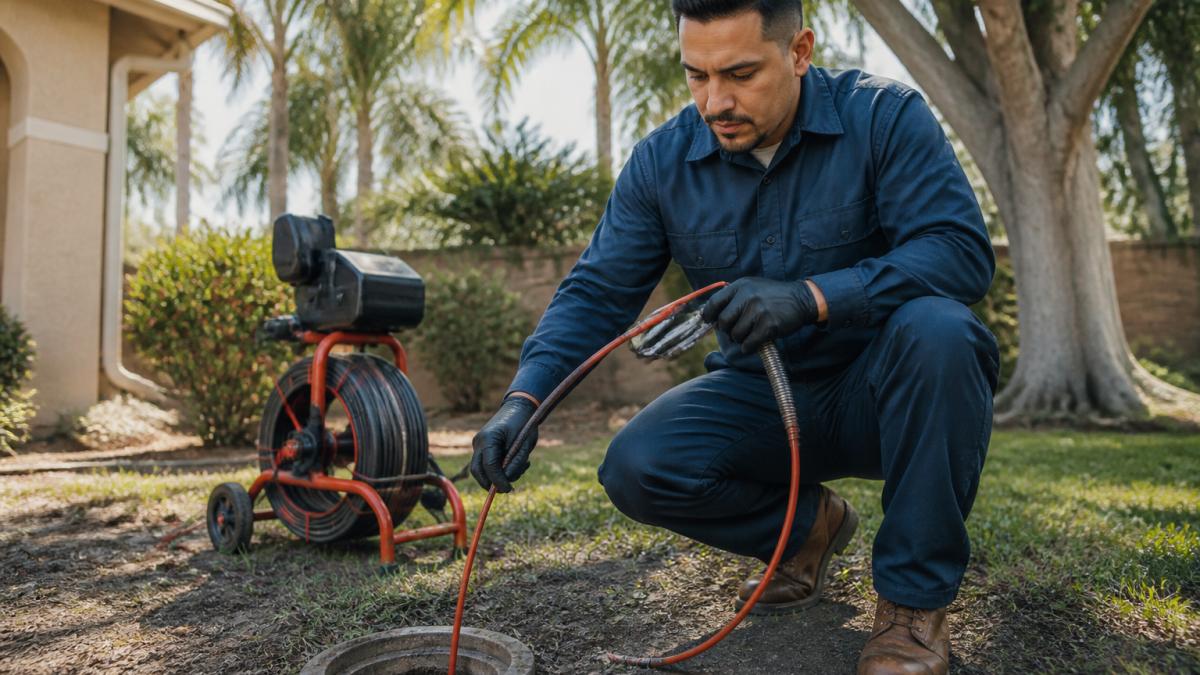
How sewer camera inspection works and what it reveals
A sewer camera is a small waterproof camera on a flexible rod. The plumber feeds it into your sewer line through a cleanout access point.
The camera reveals:
- Grease buildup and its thickness
- Hair clogs and debris blockages
- Tree root intrusion and damage extent
The inspection takes 30 to 60 minutes for a typical residential line. The plumber records the video and you get a copy for insurance claims or warranty work.
Understanding your inspection report and repair recommendations
Your inspection report includes still images and video of problem areas, with damage locations marked using distance measurements from the cleanout.
The report should tell you:
- What caused the backup
- Where the problem is located
- How severe the damage is
Ask your plumber to explain findings in plain language. Don't accept vague answers. You need to understand the problem before you approve repairs. A good plumber walks you through the video and shows you exactly what's wrong.
Repair Options: Comparing Durability and Disruption
Not all repairs are equal. Some last decades. Others are temporary fixes. Some require digging up your yard. Others don't.
Drain cleaning and sewer-line cleaning for temporary relief
Hydro jetting uses high-pressure water to blast away blockages, grease, hair, and debris.
Hydro jetting works best for:
- Active grease buildup
- Hair clogs in the main line
- Debris blockages
But hydro jetting doesn't fix the underlying problem. If tree roots caused the backup, jetting clears them but doesn't stop regrowth.
Use hydro jetting as a temporary solution while you plan permanent repairs.
Pipe repair versus replacement: when each makes sense
Pipe repair fixes specific damage without replacing the entire line. Trenchless methods like pipe bursting or cured-in-place pipe (CIPP) are less disruptive.
Repair makes sense when:
- Damage is localized to one section
- The pipe material is still sound overall
- You want to minimize yard disruption
Pipe replacement removes the old pipe and installs a new one, pricier upfront but a permanent fix.
Replacement makes sense when:
- The pipe is 50+ years old
- Multiple sections are damaged
- The pipe material is failing throughout
Replace the pipe if you plan to stay in your home for 10+ more years.
Trenchless technology versus traditional excavation
Trenchless methods don't require digging up your yard. A new pipe is installed inside the old one or the old pipe is burst and replaced.
Trenchless benefits:
- No damage to landscaping
- Faster installation (1-3 days)
- Lower labor costs
Trenchless limitations:
- Works best for smaller diameter pipes
- May not work if the pipe is severely collapsed
- Can be more expensive per foot than excavation
Traditional excavation digs a trench, removes the old pipe, and installs a new one.
Excavation benefits:
- Works for any pipe size
- Handles severely damaged pipes
- Often cheaper for large replacements
Excavation limitations:
- Destroys landscaping and hardscaping
- Takes 3-7 days or longer
- Higher labor costs
Ask your plumber which method suits your situation. Both can solve recurring backups permanently.
Sewer Backup Prevention: Maintenance and Protection Strategies
Stop backups before they start. Prevention is cheaper than repair.
Routine preventive maintenance schedule
Schedule sewer-line cleaning every 18 to 24 months if you have trees near your pipes; with no trees and no backup history, every 3 to 5 years is fine.
Preventive maintenance includes:
- Annual drain inspections for slow drains
- Hydro jetting every 2-3 years in high-risk areas
- Camera inspection every 5 years for aging pipes
Regular maintenance catches problems early. Small root intrusion is easy to clear. A fully blocked line is expensive to fix.
Install a backwater valve or backflow prevention device
A backwater valve lets sewage flow out of your home but blocks it from flowing back in. It's your last line of defense.
Install a backwater valve if:
- Your home is in a flood-prone area
- Your basement is below street level
- You've had backups before
The valve sits in your main drain line. When backups occur, the valve closes automatically. Sewage can't back up into your home.
Proper disposal practices for grease, wipes, and foreign objects
This is the easiest prevention step. Change your habits.
Never flush or pour down the drain:
- Cooking grease and oil
- Food scraps and bones
- "Flushable" wipes
Use the trash for everything except toilet paper. Use a drain strainer in your sink and shower. Wipe grease into the trash before washing dishes. These simple steps prevent most blockages.
Immediate Response: Sewage Backup Cleanup and Safety
A backup is a health hazard. Sewage contains harmful bacteria and viruses (the CDC). Protect yourself and your family.
Turn off water and electricity to affected areas
Stop the flow immediately. Turn off the main water valve to your home. This prevents more sewage from entering.
Turn off electricity to affected areas. Wet conditions and electrical outlets are dangerous.
Do not use affected fixtures. Do not flush toilets or run water until the backup is cleared.
Wear protective equipment and avoid contamination
Never touch sewage with bare skin. Wear:
- Heavy-duty rubber gloves (nitrile gloves are not enough)
- A face mask or respirator
- Protective eyewear
Do not let children or pets near the affected area. Do not eat or drink while handling contaminated materials. Wash your hands thoroughly after cleanup.
Document damage for insurance and warranty claims
Take photos and videos of all damage. Document:
- Standing sewage and water levels
- Damaged flooring, walls, and belongings
- Affected areas and their dimensions
Keep receipts for cleanup supplies and professional services. Your homeowner's insurance may cover sewage backup damage if you have the right coverage. Check your policy. Many standard policies exclude sewage backup. You may need to add a rider.
Homeowner Responsibility Versus Municipal Sewer Line Issues
Who owns the sewer line?
If the problem is in your line, you pay for repairs.
How do you know which is which?
If the municipal line is blocked, contact your city's public works department.
If the problem is partially yours and partially theirs, negotiate.
Recurring sewer backups are fixable. The key is finding the cause.
Frequently Asked Questions
What causes recurring sewer backups?
Recurring sewer backups stem from multiple sources: grease and oil accumulation in pipes, tree root intrusion through cracked pipes, flushable wipes and improper toilet disposal, hair buildup in drains, or aging deteriorating sewer lines. The cause determines the solution. A professional sewer line inspection using camera technology identifies the exact problem so you avoid repeating failed fixes. Many homeowners experience recurring backups because they address symptoms (clearing the clog) rather than the underlying cause (pipe damage or structural issues).
How do I know if the blockage is in my main sewer line or a single drain?
If only one fixture backs up (bathroom sink, shower, or toilet), the problem is likely in that fixture's drain line. If multiple fixtures back up simultaneously, especially lower-level ones like basement floor drains or toilets, the blockage is in your main sewer line. Check whether water drains normally elsewhere in the house. Main sewer line backups typically affect the lowest fixtures first. A professional sewer line inspection with a camera can pinpoint the exact location and severity of any blockage or damage.
Will homeowners insurance cover sewage backup cleanup?
Standard homeowners insurance policies typically exclude sewage backup damage unless you purchase an optional sewage backup rider or endorsement. Coverage varies by insurer and policy. Document all damage with photos and keep receipts for cleanup and repairs. Contact your insurance agent immediately after a backup to understand your specific coverage. Some policies cover damage caused by municipal sewer system failures but not backups from your own pipes. Having professional documentation of the cause (inspection report, repair estimate) strengthens any claim.
How often should I have my sewer line inspected to prevent backups?
Homes with aging sewer lines (40+ years old) or a history of backups should have professional sewer line inspections every 1-2 years. Newer homes with no issues can go 3-5 years between inspections. If you experience recurring backups, inspect annually until the underlying cause is resolved and verified fixed. Routine preventive maintenance, including periodic drain cleaning, can extend the time between inspections. A licensed plumber can recommend an inspection schedule based on your home's age, sewer line material, and backup history.