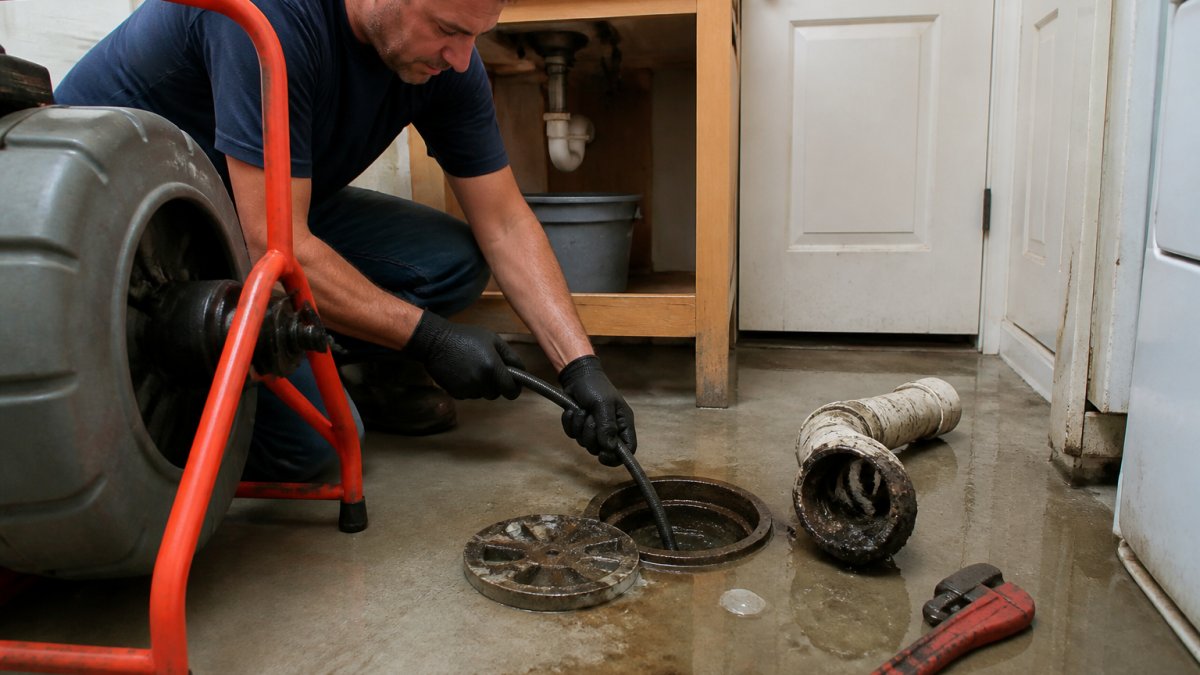
 how-to
How to Fix Recurring Sewer Backups: A Step-by-Step Guide
Table of Contents
- Understanding Why Sewer Backups Keep Happening
- Step-by-Step DIY Troubleshooting for Recurring Sewer Backups
- Sewer Camera Inspection Benefits for Identifying Root Causes
- Hydro Jetting vs Snaking: Which Method Stops Recurring Issues
- Signs of a Collapsed Sewer Pipe and When Replacement Is Necessary
- Main Sewer Line Repair Cost and What Affects the Price
- Preventative Maintenance to Stop Backups Before They Start
- When to Call a Professional Plumber for Recurring Backups
- Frequently Asked Questions
Last Updated: October 2, 2026
Understanding Why Sewer Backups Keep Happening
Recurring sewer backups happen when homeowners treat the symptom without addressing the root cause.
A single clog is a symptom; recurring backups signal deeper structural problems. Most homeowners treat the immediate problem without investigating the cause, leaving the real issue hidden until it costs thousands.
Here's what causes recurring sewer backups:
- Root intrusion, Tree roots penetrate pipes and create blockages that return
- Pipe collapse or damage, Structural failure means sewage can't flow properly
- Grease and debris buildup, Accumulation happens faster than you think
- Offset joints, Misaligned pipe sections trap waste
- Pipe belly, Sagging sections collect sewage and create blockages
- Municipal sewer problems, Issues upstream affect your home
The key is identifying which one applies to your situation. A plunger fixes a surface clog. But if your main sewer line has collapsed, you need a different approach entirely.
Step-by-Step DIY Troubleshooting for Recurring Sewer Backups
Before calling a professional, you can gather information about what's happening. This helps you understand the scope of the problem and communicate clearly with a plumber.
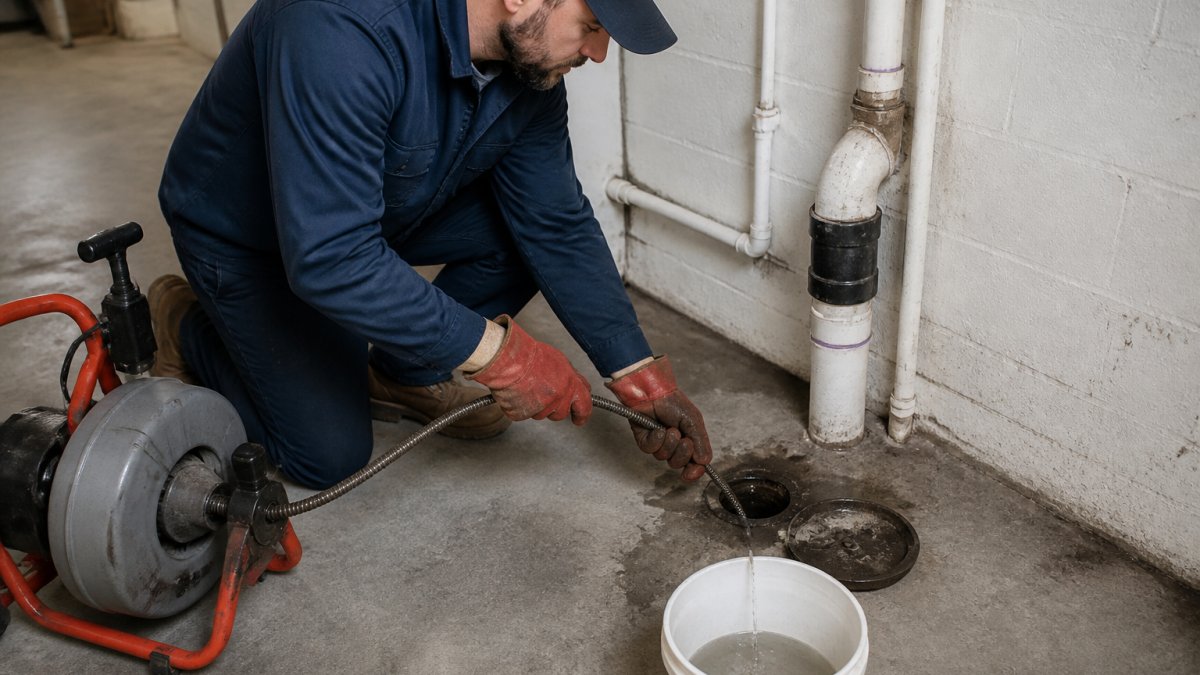
Step 1: Locate Your Cleanout Access Point
Look for a PVC or metal pipe cap in your yard, basement, or crawl space, usually a few inches above ground. The removable cap connects directly to your main sewer drain. If you can't find it, check your property survey or ask neighbors.
Step 2: Check for Standing Water and Debris Buildup
Open the cleanout cap during or after a backup. Warning: Sewage is hazardous, wear gloves and avoid fumes. Look for standing water (blockage downstream), visible debris, foul odors, or slow drainage. These signs indicate whether the problem is minor or structural.
Step 3: Try a Plunger or Drain Snake on Minor Clogs
Rent a drain snake and feed it into the cleanout opening. This works for grease, debris, and minor root intrusion but won't fix collapsed pipes, severe root intrusion, or pipe belly. If snaking fails or you see standing water, the problem is structural and requires professional equipment.
Sewer Camera Inspection Benefits for Identifying Root Causes
A sewer camera inspection is the most reliable way to diagnose recurring backups. The technician feeds a camera through your cleanout, revealing root intrusion, pipe collapse, pipe belly, offset joints, grease buildup, and debris. The recorded video and detailed report show exactly where the problem is and whether you need cleaning or replacement. Without it, you're treating symptoms instead of the cause.
Hydro Jetting vs Snaking: Which Method Stops Recurring Issues
Both methods clear blockages, but they work differently. Understanding the difference helps you choose the right solution.
Drain snaking uses a mechanical auger to break through clogs, effective for grease, soap, and minor debris but leaves residue on pipe walls. Hydro jetting uses high-pressure water to scour all sides of the pipe, removing buildup more thoroughly and reducing recurrence.
Here's the comparison:
| Method | Best For | Limitations | Speed |
|---|---|---|---|
| Drain Snake | Grease, minor clogs, debris | Doesn't clean pipe walls fully | Fast |
| Hydro Jetting | Heavy buildup, recurring clogs, preventative cleaning | More expensive, not for weak pipes | Moderate |
For recurring backups caused by grease or debris, hydro jetting is the better choice. For root intrusion or structural damage, neither method is permanent, you'll need professional removal and possibly pipe replacement.
Signs of a Collapsed Sewer Pipe and When Replacement Is Necessary
A collapsed sewer pipe breaks, cracks, or crushes, blocking sewage flow. Signs include recurring backups that worsen, multiple drains backing up simultaneously, sewage pooling in your yard, unusually lush grass patches, sinkholes, foul odors, and slow drainage throughout the house.
A camera inspection confirms collapse. Replacement is necessary when the pipe is more than 50% blocked, multiple sections are damaged, or the material is deteriorating. Patching or snaking won't fix structural damage, replacement is the only permanent solution.
Main Sewer Line Repair Cost and What Affects the Price
Repair costs depend on pipe length, material, access difficulty, repair method, extent of damage, and soil conditions. A camera inspection shows the exact problem and determines which repair method applies. DC Plumbing Heating and Air Conditioning provides upfront pricing with no surprise fees, you know the cost before we start.
Preventative Maintenance to Stop Backups Before They Start
Prevention works only if your pipes are structurally sound. Monthly: avoid pouring grease down drains, use drain screens, run hot water weekly, and flush only toilet paper. Annually: have a plumber inspect your cleanout, clear debris, monitor tree roots, and document drainage changes. Every 2-3 years: consider preventative hydro jetting if you have a history of grease clogs, or have a camera inspection if you notice new drainage changes.
Low-Flow Toilets and Sewer Line Compatibility
Low-flow toilets (1.28 gallons per flush) do not cause backups in healthy systems but can expose pre-existing problems like undersized pipes, pipe belly, offset joints, or grease buildup. If you have recurring backups after installing low-flow toilets, a camera inspection will confirm whether the issue is structural or buildup-related. Low-flow toilets are safe in healthy systems and offer a good balance of water conservation and flushing reliability.
Tree Roots and Sewer Line Intrusion
Tree roots exploit existing cracks and deterioration. Early warning signs include seasonal backups, slow drainage, visible roots in the cleanout, and lush grass patches. Prevention: plant trees 10+ feet from your sewer line, avoid willows and poplars, and have camera inspections every 3-5 years. If roots have penetrated, you need professional removal or pipe replacement. Chemical treatments kill roots but don't repair cracks, they're temporary measures only.
When to Call a Professional Plumber for Recurring Backups
Call a professional if DIY snaking fails, backups return within weeks, multiple drains back up, you see standing water or yard pooling, or you suspect root intrusion. Call emergency service if sewage backs into your home, you smell strong fumes, you see sinkholes, or the problem worsens rapidly.
- Children or pets have contacted sewage
Safety Protocols for Sewage Exposure and DIY Cleanup
Sewage contains harmful pathogens, including E. coli, hepatitis A, and cryptosporidium. Exposure poses serious health risks, especially for children, elderly people, and those with compromised immune systems.
If sewage has backed up into your home:
- Stop using water immediately. Do not flush toilets, run showers, or use sinks. Additional water will worsen the backup.
- Evacuate the affected area. Keep children and pets away from contaminated spaces.
- Ventilate. Open windows and doors to allow air circulation. Do not rely on fans, which can spread airborne pathogens.
- Call emergency services. Contact a licensed plumber immediately. Do not attempt cleanup yourself.
- Document the damage. Take photos and videos of affected areas, damaged items, and the extent of contamination. This documentation is critical for insurance claims.
- Contact your insurance company. Report the backup before cleanup begins. Many policies require notification within a specific timeframe (often 30 days) to be eligible for coverage.
For minor cleanup, wear full PPE (double nitrile gloves, N95 mask, eye protection, rubber boots, long sleeves and pants). Use a HEPA-filter wet/dry vacuum, disinfect with 1:10 bleach solution, and dispose of contaminated materials in sealed bags.
Insurance Coverage and Documentation for Sewer Backups
Most standard homeowner's policies do not cover sewer line repair or backup damage.
To file a successful claim:
- Report the backup to your insurer immediately. Many policies require notification within 30 days.
- Document everything with photos and video:
- Sewage in your home (toilets, drains, carpets, walls)
- Damaged belongings (furniture, electronics, clothing)
- Yard damage (sinkholes, pooling sewage)
- Date and time of the backup
- Weather conditions (heavy rain can trigger municipal sewer overflows)
- Keep receipts for emergency cleanup, repairs, and replacements. These are deductible expenses.
- Obtain a written report from your plumber documenting the cause of the backup (root intrusion, pipe collapse, grease buildup, etc.). This helps establish whether the damage is covered.
- Do not discard damaged items until the adjuster has inspected them. Insurance companies often require photographic evidence before authorizing replacement.
- Request a copy of the adjuster's report. This document determines what is and is not covered.
If your claim is denied:
- Review the denial letter carefully; it will cite the specific policy language
- Contact your state's Department of Insurance if you believe the denial is unfair
- Consider hiring a public adjuster (fee-based professional who negotiates on your behalf) if the claim value exceeds $10,000
Separate sewer line coverage is available from some insurers as an add-on (typically $10-$25 per month).
A professional plumber can perform a camera inspection, diagnose the exact problem, and recommend the right solution.
We offer 24/7 emergency service and respond quickly to urgent issues. Our licensed technicians provide clear explanations of what's wrong and how to fix it.
Frequently Asked Questions
What causes recurring sewer backups in a house?
Recurring backups stem from blockages in your main sewer line or sanitary sewer lateral that aren't fully cleared. Common causes include root intrusion from tree roots growing into pipes, grease trap buildup, debris accumulation, pipe belly (sagging sections that trap wastewater), offset joints, or structural pipe collapse. A single plunging or snaking may temporarily clear the blockage, but unless the root cause is addressed, the problem returns within weeks or months.
How much does main sewer line repair cost?
Main sewer line repair costs vary significantly based on the problem's location, severity, and repair method. Simple cleanings cost less than structural repairs. Factors affecting price include whether the issue is a clog or pipe collapse, the pipe's depth, accessibility, and whether trenchless or traditional excavation is needed. For an accurate quote tailored to your situation, contact a licensed plumber who can inspect your system and provide transparent pricing based on your specific needs.
Can tree roots cause recurring sewer backups?
Yes, tree roots are a leading cause of recurring backups. Roots seek moisture and can penetrate small cracks in your sewer line, eventually blocking the entire pipe. Root intrusion often requires hydro-jetting or professional removal to clear, and may necessitate pipe repair or replacement if roots have caused structural damage. A sewer camera inspection is the best way to confirm root intrusion and determine the extent of the problem.
Is a recurring sewer backup covered by homeowners insurance?
Most standard homeowners insurance policies do not cover sewer backups, as they are considered a maintenance issue rather than sudden, accidental damage. However, many insurers offer optional sewer backup coverage as an add-on endorsement for a modest premium. Check your policy or contact your insurance agent to see if you have this protection. If a backup occurs and you lack coverage, you are responsible for repair costs, making preventative maintenance and early professional intervention financially important.