 ultimate-guide
24 Hour Emergency Plumber: Fast Response Guide
Table of Contents
- What Qualifies as a Plumbing Emergency
- Immediate Steps Before Calling a 24 Hour Emergency Plumber
- Why You Need a Licensed and Insured Professional
- Understanding Emergency Plumbing Cost and Pricing
- Finding a Reliable 24 Hour Emergency Plumber
- What to Expect During the Emergency Service Call
- Frequently Asked Questions
Last Updated: September 23, 2026
What Qualifies as a Plumbing Emergency
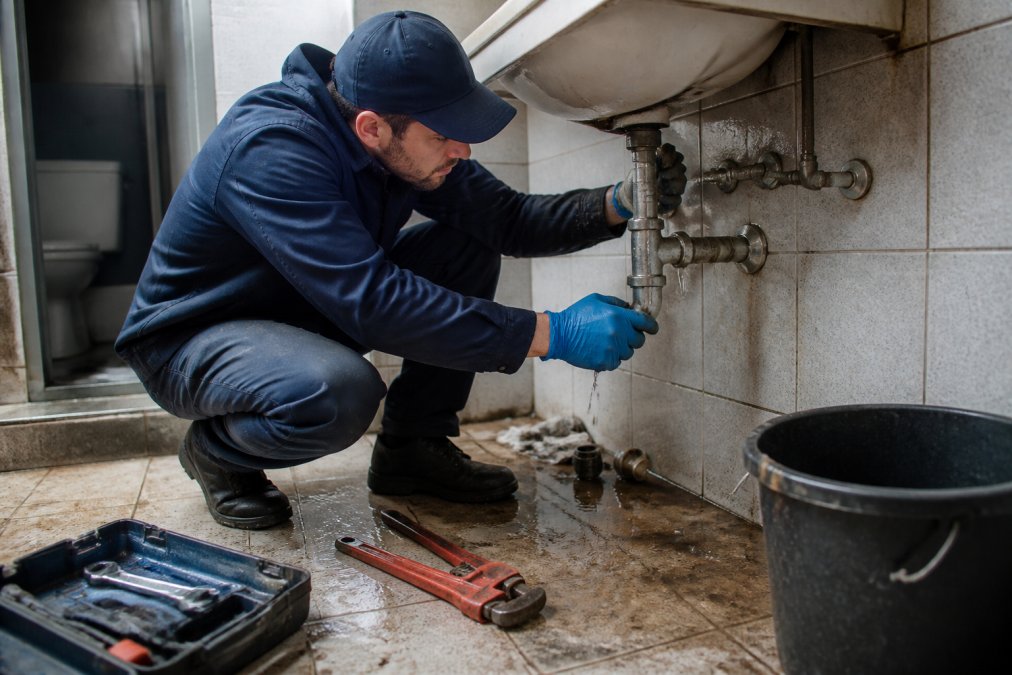
A plumbing emergency threatens your home's structural integrity, creates immediate water damage, poses health risks, or leaves you without essential services. Understanding what counts as an emergency helps you decide whether to call a 24 hour emergency plumber or wait for regular business hours.
True emergencies include burst pipes flooding your basement, sewage backing up into your home, complete loss of water pressure, gas line leaks producing a rotten egg smell, water heater failures in freezing weather, or overflowing toilets that won't stop running. These situations demand immediate professional intervention because damage compounds by the hour, a burst pipe can dump thousands of gallons into your foundation, a sewer backup contaminates your living space, and a gas leak presents an explosion risk.
Less urgent issues like a single dripping faucet, slow kitchen drain, or minor water stain can typically wait for business hours. The key distinction: does this problem cause active damage, create a health hazard, or leave you without water or gas service right now? If yes, you need a 24 hour emergency plumber immediately. DC Plumbing Heating and Air Conditioning responds to genuine emergencies around the clock.
Immediate Steps Before Calling a 24 Hour Emergency Plumber
Your first actions during a plumbing emergency can prevent thousands of dollars in additional damage. Before you dial a 24 hour emergency plumber, take these critical steps to stabilize the situation.
Stop the source of water if it's safe to do so. Locate your main water shut-off valve immediately and turn it off, this prevents water from continuing to flood your space. For a specific fixture like an overflowing toilet, turn off the water supply using the valve behind or below it. For water heater failures, shut off both the water supply and the gas or electrical power to the unit.
Move valuables, electronics, documents, and furniture away from the flood path. Open windows and doors to improve air circulation and reduce moisture and mold growth while you wait for professional help.
Do not attempt repairs yourself. Temporary patches with duct tape may slow a leak momentarily, but a licensed professional must assess the damage and implement proper repairs that meet plumbing code.
How to Shut Off Your Main Water Valve
Knowing how to shut off your main water valve is the most important skill for any homeowner facing a plumbing emergency. This valve controls all water entering your home and stops active flooding at the source.
Your main water shut-off valve is typically located where the water line enters your house, in warmer climates, often in the front yard near the street or in a shallow underground box; in colder regions, usually inside the home in the basement, crawl space, garage, or utility room near the foundation.
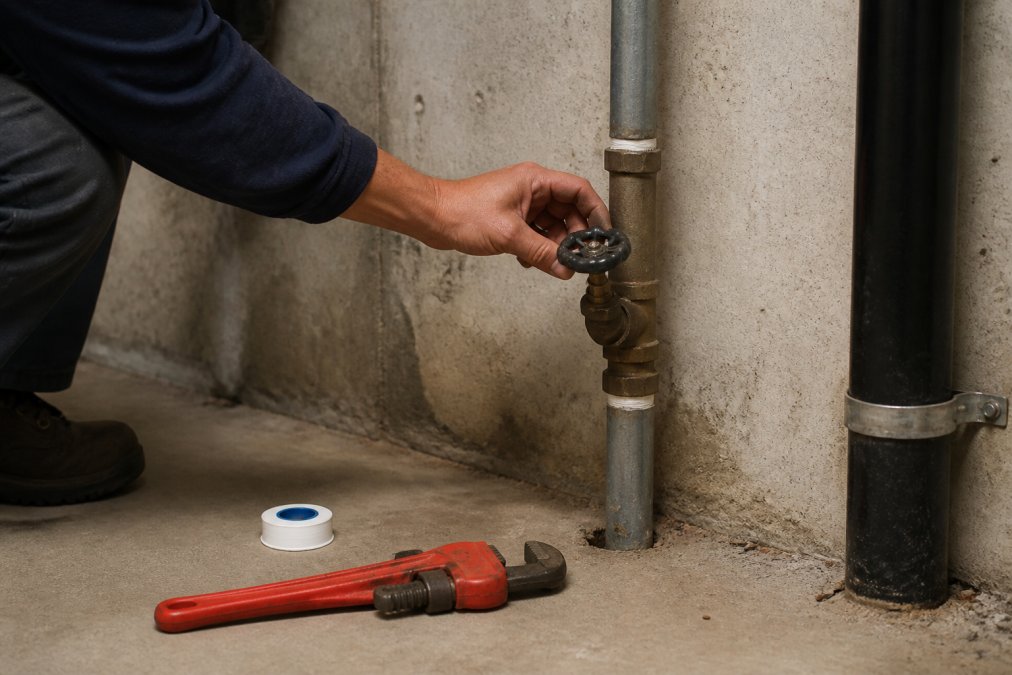
Turn the valve clockwise until it stops, hand-tight is sufficient. If the valve is stuck, call a licensed plumber. Once shut off, turn on the lowest faucet in your home to release pressure from the lines.
Mark your shut-off valve's location clearly and take a photo of it. Practice locating and turning it off before an emergency happens, and ensure every household member knows where it is and how to operate it.
Why You Need a Licensed and Insured Professional
Licensed plumbers have completed apprenticeships, passed exams, and understand plumbing codes that govern installation and repair. Improper work creates health hazards, structural damage, or system failures. Licensed professionals deliver work that passes inspection and won't fail prematurely.
Insurance protection is essential. If a plumber damages your home, their liability insurance covers it. If an unlicensed person causes damage, you're liable for the full cost. Professional plumbers also carry workers' compensation insurance, protecting you if someone is injured on your property.
DC Plumbing Heating and Air Conditioning maintains full licensing and insurance coverage. Our technicians hold current certifications and stay updated on code changes.
Understanding Emergency Plumbing Cost and Pricing
Emergency plumbing service costs more than routine repairs because it requires technicians on call 24/7 and work outside normal business hours. Understanding what drives emergency pricing helps you make informed decisions.
What Factors Influence Emergency Pricing
After-hours service premiums are standard across the industry. A burst pipe at 2 AM costs more than the same repair during business hours because the plumber is on standby. Most emergency plumbers charge a higher hourly rate or add a surcharge for calls between 6 PM and 8 AM on weekdays, and for any service on weekends or federal holidays.
Questions to Ask About Pricing Before Work Begins
On the service call fee: "Is there a service call fee, and does it apply toward the repair cost?" Some plumbers credit the full fee against the final bill; others credit only a portion.
Red Flags in Emergency Pricing
Avoid plumbers who refuse to discuss pricing over the phone, insist on cash-only payment, or pressure you to authorize work before explaining the full cost. If a plumber quotes a price dramatically lower than others, ask why, it may indicate cutting corners or planned upsells.
Finding a Reliable 24 Hour Emergency Plumber
The best time to vet a 24 hour emergency plumber is during business hours, before you're in distress, so you get quality service when you need it most.
Verify Credentials and Insurance
Start by confirming the plumber is licensed. Search your state's licensing database by name or company. A legitimate 24 hour emergency plumber can provide their license number immediately and won't hesitate when you ask to verify it.
Evaluate Response Time and Availability
Call during business hours and ask: "What is your typical response time for emergency calls?" Reliable 24 hour emergency plumbers respond within 30-60 minutes. "Are you available on weekends and holidays?" Ask directly: "If I call at 3 AM on a Sunday, will a technician arrive?" "Do you have technicians in my area?" Local technicians respond faster than those traveling from across town.
Check References and Reviews
Ask neighbors and friends for recommendations. People who've dealt with emergencies have real experience with local plumbers' response times and quality. Online reviews provide additional perspective, check Google, Yelp, and the Better Business Bureau. Look for patterns in feedback: consistent mentions of fast response, fair pricing, professional communication, and quality work indicate reliability.
Ask About Warranties and Guarantees
Reputable plumbers stand behind their work. Ask: "What warranty do you provide on parts and labor?" Standard warranties cover parts for one year and labor for 30-90 days. If a plumber won't warranty their work, that's a major red flag.
Red Flags to Avoid
Don't hire a plumber who refuses to provide a written estimate, demands cash-only payment, pressures you to authorize work immediately without explaining the problem, won't provide proof of insurance or licensing, quotes dramatically lower prices than competitors, or seems annoyed by your questions.
Establish a Relationship Before You Need Emergency Service
Call two or three plumbers during business hours and ask about their emergency procedures. This gives you confidence they can help when crisis strikes and reveals how they communicate. Ask if they offer preventative maintenance plans or inspections, a plumber willing to inspect your system proactively is invested in preventing emergencies.
What to Expect During the Emergency Service Call
The plumber arrives, assesses the problem, and explains what they found. A professional shows you the issue so you understand why the repair is necessary and answers your questions before starting work. During the repair, they protect your floors and furnishings and leave your space clean. After the repair, they test the system, explain what they did, provide documentation and warranty details, and discuss any preventative steps or follow-up care needed.
Frequently Asked Questions
What qualifies as a true plumbing emergency versus a routine repair?
A plumbing emergency involves active water damage, gas line issues, or loss of essential water supply. Burst pipes, sewer backups, water heater failures, and gas leaks require immediate 24 hour emergency plumber response. Routine repairs like slow drains or minor leaks can typically wait for business hours. If water is actively flooding your home or you smell gas, call immediately.
How do I shut off my main water valve while waiting for an emergency plumber?
Locate your main water shut-off valve, typically found near the street, in your basement, or under the kitchen sink. Turn the valve clockwise until it stops. If the valve is stuck or you cannot locate it, contact your water utility. Knowing this before an emergency saves critical minutes and prevents thousands in water damage.
How much should I expect to pay for emergency plumbing services?
Emergency plumbing cost depends on the time of day, type of repair, and parts required. After-hours service calls typically include a dispatch fee plus hourly labor rates and material costs. Ask your provider for a transparent breakdown before work begins. Reputable emergency plumbers provide upfront estimates and explain any additional charges discovered during diagnosis.
How can I find a reliable 24 hour emergency plumber?
Choose a licensed and insured professional with verifiable experience in emergency response. Check for same-day service availability, transparent pricing policies, and customer reviews mentioning response time. Confirm they serve your service area and ask about warranty coverage on repairs. Having a trusted plumber identified before an emergency occurs reduces stress and response time.