 How-to
What to Do When Sewage Backs Up: Safe Steps to Take
Table of Contents
- Stop Water Use and Keep People and Pets Away From the Area
- What to Do If Sewer Backs Up in Basement
- Is It Safe to Stay in a House With Sewage Backup?
- Backed Up Sewer Line Symptoms and What They Mean
- Single Fixture or Main Line? How to Tell the Difference
- Sewage Backup Cleanup: Safety, Steps, and Limits
- Booking Your Sewer Inspection and Repair With DC Plumbing
- Frequently Asked Questions
Stop Water Use and Keep People and Pets Away From the Area
Last Updated: November 6, 2026
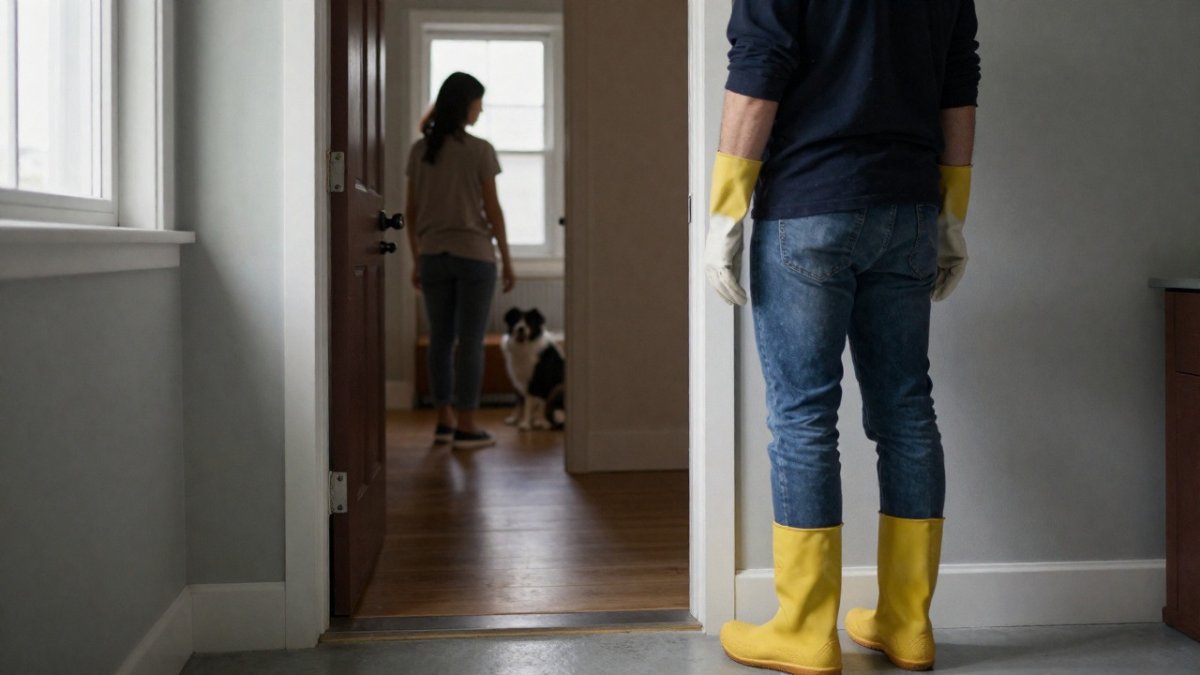
When sewage backs up into a home, stopping water use is the first step, because it stops adding water to the system.
Sewage carries bacteria, viruses and parasites that can make people sick. The Centers for Disease Control and Prevention (CDC guidance on wastewater and sewage exposure) recommends limiting contact with contaminated water.
Follow these steps right away:
- Stop running water, flushing toilets and using drains
- Close the door to the affected room
- Keep children and pets in another part of the house
Watch out: Do not run a drain cleaner or pour chemicals into a backed-up line. The chemicals can splash back, and they make the job harder for a plumber.
What to Do If Sewer Backs Up in Basement
A basement backup is usually a sign the blockage sits in the main sewer line, not a single fixture. Water has nowhere else to go, so it rises through the lowest drains in the house.
First 15 minutes in a basement backup
- Stop using water upstairs. No flushing, showers, laundry or dishwasher cycles.
- Keep people and pets off the wet floor and out of the room.
- If water is rising toward outlets, appliances or the electrical panel, shut off power to the affected circuits at the breaker only if you can reach the panel without stepping in water. Otherwise leave it and call an electrician or the utility.
- Shut off the main water supply if the flow keeps rising; this stops new water from entering the system but will not stop sewage already in the line from draining back.
- Photograph the water level and damaged items before anything is moved.
Is it the main line or just one fixture?
Use the symptoms to decide how urgently to call a plumber:
- Only one basement fixture backs up, and upstairs drains are fine: the clog is likely local to that fixture's branch line. A plunger or hand snake may clear it.
- Two or more fixtures back up, or water rises in the floor drain when upstairs fixtures are used: the main sewer line is likely blocked. Stop using water and call a licensed plumber.
- Toilets gurgle when the washing machine drains, or the floor drain bubbles: this points to a partial main-line blockage or a venting problem. Treat it as a main-line issue until inspected.
When in doubt, treat the problem as a main line issue. A licensed plumber can run a camera inspection to find the blockage and show whether the line has roots, cracks or a collapsed section.
Who is responsible for the sewer lateral?
Responsibility for the pipe between the house and the public sewer, often called the sewer lateral, varies by jurisdiction. Homeowners should confirm with their local sewer utility or public works department where their responsibility begins and ends. Before authorizing a large repair, call the local sewer utility or public works department and ask two questions: where does the homeowner's responsibility end, and does the utility offer any inspection or repair assistance.
Repair options a plumber may discuss
Once the blockage is located, the repair conversation usually involves one of these approaches:
- Snaking or augering: clears soft clogs such as grease, paper or roots. It is a clearing step, not a repair.
- Hydro jetting: uses high-pressure water to scour grease and debris from the pipe walls. It works well on grease-heavy lines but is not a fix for a broken pipe.
- Camera inspection: identifies roots, cracks, bellies and collapses so the right repair can be chosen.
A quick clearing is not the right answer for every blockage. If the line has structural damage, clearing it without inspection usually means the backup returns.
Watch out: Do not pour chemical drain cleaner into a basement floor drain or toilet to clear a main-line backup. The chemicals can splash back, damage pipes and create a hazard for the plumber who follows.
Protect the basement while you wait
Move boxes, furniture and stored items off the wet floor and onto pallets or shelves. Do not stack wet items against drywall. If the backup is recurring, ask the plumber about a backflow valve or drain plug for the basement floor drain, and check with the local utility about whether a permit is required before installation.
Is It Safe to Stay in a House With Sewage Backup?
Staying in the home during cleanup is possible in some cases, but it depends on how much sewage is present. Small amounts confined to one drain may be manageable.
Watch for these warning signs:
- Strong sewage odor throughout the home
- Standing water in rooms you use every day
- Anyone in the household feeling ill
If any of these apply, leave the affected area and seek advice from a health professional. Environmental Protection Agency (EPA guidance on flood and sewage cleanup) offers general cleanup safety information for households.
Backed Up Sewer Line Symptoms and What They Mean
Sewer line problems often show up in predictable ways. Recognizing them helps you tell a simple clog from a main line failure.
Common symptoms include:
- Multiple drains backing up at the same time
- Toilets bubbling when another fixture drains
- Sewage smell near floor drains
- Wet spots or soggy ground above the sewer route
- Repeated backups after a clog is cleared
Each symptom points toward a different cause. Drains backing up together suggest the main line. A single slow drain usually points to a local clog.
Watch out: A single clear drain does not prove the main line is fine.
Single Fixture or Main Line? How to Tell the Difference
This quick test helps you decide whether a plumber is needed right away.
- Only one fixture is backed up: The clog is likely local. Try a plunger or drain snake first.
- Two or more fixtures back up together: The main sewer line is likely blocked. Stop using water and call a plumber.
- Water rises in the lowest drain first: The blockage is probably in the main line, since water seeks the lowest exit.
When in doubt, treat the problem as a main line issue. A licensed plumber can confirm the source quickly.
Sewage Backup Cleanup: Safety, Steps, and Limits
Cleanup after a sewage backup is not the same as mopping up a spilled sink. Raw sewage carries bacteria, viruses, parasites and other pathogens, and the porous materials it soaks into can stay contaminated long after the surface looks dry.
Protective equipment before you start
Do not enter a sewage-contaminated area in street clothes. At minimum, wear:
- Rubber gloves long enough to cover the wrist
- Rubber boots or disposable shoe covers
- Eye protection such as sealed goggles
Keep a dedicated pair of gloves and boots for the cleanup and store them away from living areas afterward. Wash hands with soap and warm water after removing gloves, even if the gloves did not tear.
What to remove and what to disinfect
Porous materials that have absorbed sewage generally cannot be cleaned well enough to keep. A common pattern is to discard:
- Carpet, carpet padding and area rugs
- Cardboard, paper and fabric that soaked up liquid
- Drywall and insulation that were wet above the baseboard
Hard, non-porous surfaces such as concrete, tile, metal, glass and sealed wood can usually be cleaned and disinfected. Remove standing water first with a wet/dry vacuum rated for liquids, then wash the surface with detergent and water, rinse, and apply a disinfectant. Follow the label directions on any cleaner, and never mix bleach with ammonia or other cleaners, because the combination can release toxic gas.
Drying and the mold window
Mold can begin growing on wet building materials within a day or two, so drying is part of cleanup (the EPA). Open windows and doors when outdoor conditions allow, run fans and a dehumidifier, and pull up wet carpet and padding so the subfloor can dry. If the space cannot be dried within that window, or if the water reached wall cavities, treat the job as a remediation project rather than a DIY cleanup.
When to call a professional remediator
A professional sewage cleanup is usually the right call when:
- The backup covered more than a small, contained area
- Sewage reached carpet, drywall, insulation or HVAC components
- The home has been wet for more than a day or two
Remediation crews typically have specialized equipment that most households do not own, and they can document the damage and drying process, which can help with an insurance claim.
Watch out: Do not run a household vacuum, a shop vacuum not rated for liquids, or a carpet cleaner over sewage. These machines can aerosolize contaminated water and spread it through the room.
Document before you clean
Before anything is hauled out, photograph and video each affected room, including the water line on walls and the condition of damaged items. Keep receipts for any equipment you rent or buy. Insurers and remediation companies both rely on that record, and it is much harder to reconstruct after the debris is gone.
The cleanup steps below summarise what to protect, what to remove, and when to call a professional.
| Item | Action | Note |
|---|---|---|
| Hands and body | Wear gloves, boots and eye protection | Gloves should cover the wrist |
| Porous materials | Discard carpet, padding, cardboard and wet drywall | Sewage cannot be cleaned out of them |
| Hard surfaces | Remove standing water, wash, rinse and disinfect | Concrete, tile, metal and glass can be saved |
| Mold window | Dry the space within a day or two | Mold can start growing on wet materials |
| Bleach and ammonia | Never mix them | The combination can release toxic gas |
| Household vacuum | Do not use it on sewage | It can spread contaminated water |
| Documentation | Photograph and video damage before cleanup | Insurers rely on this record |
Booking Your Sewer Inspection and Repair With DC Plumbing
When a backup is more than a simple clog, DC Plumbing Heating and Air Conditioning can help.
Our licensed technicians can evaluate the blockage and explain your options. Contact us for current pricing or a quote.
Call DC Plumbing Heating and Air Conditioning today to schedule your sewer inspection. We will get your system running again and leave your space clean and tidy.
Frequently Asked Questions
Can sewage backup make you sick?
Yes. Sewage can carry bacteria, viruses and parasites. Keep people and pets away from contaminated areas and wear protective gear during any cleanup.
Should I call a plumber or try to fix it myself?
For more than one backed-up fixture, call a licensed plumber. Single slow drains can often be cleared with a plunger or drain snake.
Will my homeowners insurance cover sewage backup?
Coverage depends on your policy. Many standard policies exclude sewer backup unless you add a rider, so check with your insurer and document all damage with photos.
Frequently Asked Questions
How long does it take to get sick from sewage backup?
Symptoms from sewage exposure can appear within hours to a few days, depending on the pathogens involved and how much contact someone had. Gastrointestinal illness, skin irritation, and eye infections are the most common complaints. Anyone who touched contaminated water, surfaces, or items should wash hands thoroughly with soap and clean water, avoid touching the face, and contact a doctor if fever, vomiting, diarrhea, or persistent symptoms develop. Children, older adults, and people with weakened immune systems should be seen sooner.
Is it safe to stay in a house after a sewage backup?
Usually only if the backup is limited to a single fixture and the contaminated area is isolated and kept closed off. If sewage has reached floors, carpet, drywall, or the basement, leave the affected areas until a professional has assessed them. Keep people and pets out of the contaminated zone, stop using water fixtures that drain into the affected line, and ventilate the space if possible. If anyone has health concerns, or if the backup is widespread, it is safer to stay elsewhere until cleanup is complete.
What should I do if sewage backs up into a basement floor drain?
Stop using every drain and toilet in the house, shut off the main water supply if the backup is spreading, and keep everyone out of the basement. Do not try to flush the line or use chemical drain cleaners, which can make the situation worse and expose you to fumes. Document the damage with photos and video for insurance, then call a licensed plumber to inspect the sewer line with a camera and determine whether the blockage is in the drain or the main sewer.
What should I do to clean up after a sewage backup?
Wear rubber gloves, eye protection, and a mask, and ventilate the area. Remove standing water and porous materials that cannot be fully disinfected, such as carpet padding and drywall that has been saturated. Clean hard surfaces with detergent and water, then disinfect. Sewage cleanup is a health hazard, and large or repeated backups usually require a professional remediation service. Discard contaminated items that cannot be sanitized.